

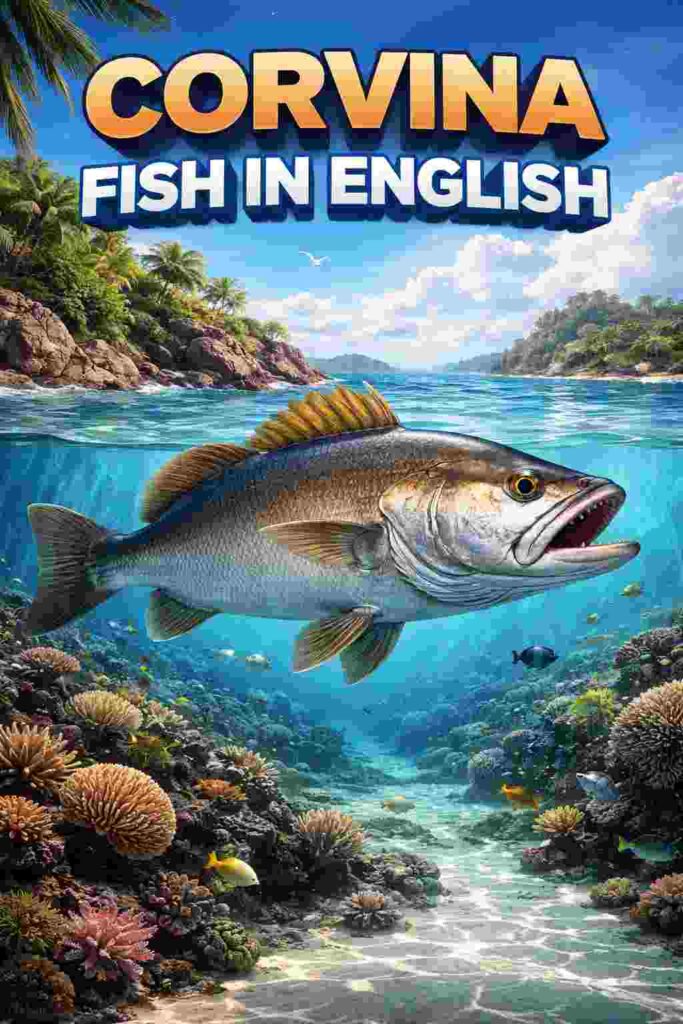
Corvina identifies several saltwater fish species that belong to the Sciaenidae family, also called the drum or croaker family. In English, the term “corvina” usually describes a mild-flavored, white-fleshed fish popular in Latin American, Mediterranean, and coastal cuisines.
The name comes from Spanish and Portuguese. In seafood markets across the United States and Europe, sellers label it simply as “corvina,” even though different species share the same name.
Corvina has:
- Firm white flesh
- A mild, slightly sweet flavor
- Large flakes after cooking
- Low oil content
- Medium to large body size
Its clean taste makes it suitable for grilling, baking, frying, or serving raw in ceviche.
Scientific Classification of Corvina
Corvina belongs to the Sciaenidae family. This family contains more than 270 species worldwide. Many produce a croaking sound by vibrating muscles against their swim bladder.
Here is a clear review:
| Category | Classification |
| Kingdom | Animalia |
| Phylum | Chordata |
| Class | Actinopterygii |
| Order | Perciformes |
| Family | Sciaenidae |
| Common English Name | Corvina |
| Spanish Name | Corvina |
Some species sold under this name are:
- Cilus gilberti
- Argyrosomus regius
- Micropogonias undulatus
Although these fish differ slightly in size and habitat, their texture and flavor remain similar.
Where Corvina Fish Lives
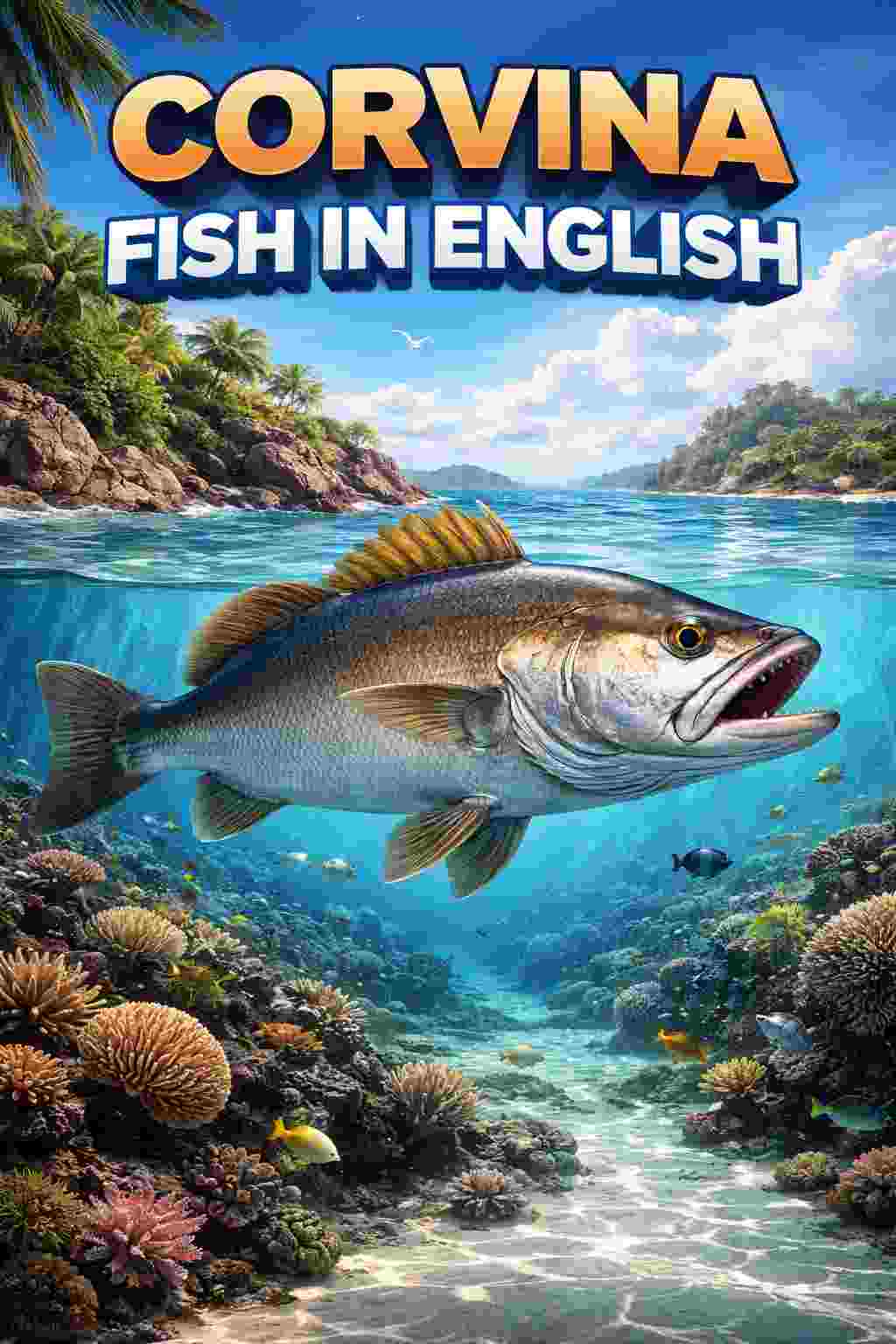
Corvina thrives in warm and temperate coastal waters. Fishermen catch it in both shallow bays and deeper offshore areas.
Major regions:
- Pacific coast of South America (Peru, Chile)
- Gulf of California
- Atlantic coast of North America
- Mediterranean Sea
- West African coastline
Juvenile corvina prefer estuaries and coastal lagoons. Adults migrate into deeper waters for feeding.
They feed on:
- Small fish
- Shrimp
- Squid
- Crustaceans
This diet helps produce firm, clean-tasting flesh.
Physical Appearance
Corvina has a sleek, elongated body with silver scales and a slightly darker back. The mouth appears wide, designed for catching smaller prey.
Average characteristics:
| Body Color | Silver with grey or bluish tones |
| Length | 1–4 feet depending on species |
| Weight | 5–100 pounds |
| Texture | Firm, flaky |
| Bones | Moderate, easy to remove in fillets |
Large species such as Argyrosomus regius can grow impressively big and attract commercial fisheries.
Taste and Texture
Corvina offers a clean, mild flavor. It does not carry a strong “fishy” smell. That makes it a favorite for people who prefer delicate seafood.
Flavor profile:
- Light sweetness
- Smooth mouthfeel
- Medium flake
- Lean texture
Because it contains low fat, chefs avoid overcooking it. High heat for a short time keeps the flesh moist.
Compared to other fish:
| Fish | Texture | Flavor Strength |
| Corvina | Firm | Mild |
| Cod | Flaky | Mild |
| Sea Bass | Tender | Medium |
| Snapper | Firm | Slightly sweet |
Many chefs use corvina in ceviche due to its firm flesh, which holds shape in citrus marinade.
Nutritional Value of Corvina Fish
Corvina supports a balanced diet. It provides lean protein and healthy minerals without excess fat.
Approximate nutrition per 100 grams (raw):
- Calories: 90–110
- Protein: 18–20 grams
- Fat: 1–3 grams
- Omega-3 fatty acids: Moderate amount
- Vitamin B12: High
- Selenium: Good source
- Phosphorus: Present
Health advantages:
- Supports muscle repair
- Aids nerve function
- Helps maintain heart health
- Low in saturated fat
Due to its lean profile, fitness-focused diets frequently feature corvina as a protein source.
How Corvina Is Used in Cooking
Fresh corvina adapts well to many cooking methods. Its firm texture allows slicing into thick fillets or steaks.
Popular preparations:
- Grilled with herbs
- Pan-seared with butter
- Baked with lemon
- Fried in crispy batter
- Served raw in ceviche
In Peru, chefs prepare ceviche using fresh corvina marinated in lime juice with onions and chili. In Mediterranean cuisine, whole corvina may be roasted with olive oil and garlic.
Cooking tips:
- Season lightly to preserve natural flavor
- Avoid prolonged heat exposure
- Rest cooked fillets briefly before serving
- Pair with citrus or fresh herbs
It absorbs marinades quickly because of its lean flesh.
Presence in Global Cuisine
With mild flavor, Corvina plays a strong role in coastal food cultures.
South America
Peruvian and Chilean kitchens rely heavily on corvina for ceviche and grilled seafood platters.
Mediterranean
Spanish and Portuguese dishes feature roasted corvina with olive oil and sea salt.
North America
On the U.S. West Coast, chefs serve corvina tacos, fish sandwiches, and seafood stews.
Its mild taste makes it adaptable across culinary styles.
Sustainability and Fishing Practices
To meet demand, Corvina fisheries operate in both wild-caught and farmed systems.
Important sustainability points:
- Some regions regulate catch sizes
- Seasonal closures protect breeding cycles
- Aquaculture operations raise certain species
Consumers should look for responsibly sourced labels to support marine ecosystems.
Because several species share the corvina name, checking the scientific name helps confirm the exact fish type.
Corvina vs Similar Fish
Shoppers sometimes confuse corvina with sea bass or croaker. Here’s how they differ:
| Corvina | Sea Bass | Croaker | |
| Flavor | Mild | Medium | Slightly strong |
| Flesh | Firm | Tender | Medium |
| Size Range | Medium to large | Medium | Small to medium |
| Culinary Use | Ceviche, grilling | Baking, roasting | Frying |
Although corvina belongs to the croaker family, it usually tastes milder than smaller croaker species.
Market Names and Labeling
Seafood markets may label corvina differently depending on region.
Prominent market names:
- White seabass
- Meagre
- Drum fish
- Croaker
For example, Cilus gilberti appears in South American markets, while Argyrosomus regius appears in European seafood counters.
Buyers should ask vendors about origin and catch method for better clarity.
Storage and Handling
Fresh corvina should:
- Smell clean and ocean-like
- Have bright, clear eyes (whole fish)
- Show firm flesh
- Display shiny scales
Storage guidelines:
- Refrigerate at 32–38°F
- Use within 1–2 days
- Freeze for up to 3 months
Wrap tightly to prevent freezer burn.
Proper storage protects both flavor and texture.
Health Considerations
Generally, Corvina contains low mercury levels compared to large predatory fish. That makes it a safer option for frequent seafood consumption.
Still, pregnant individuals and children should follow local seafood intake guidelines.
Thorough cooking reduces the risk of foodborne illness. Raw preparations such as ceviche require extremely fresh fish sourced from trusted suppliers.
Economic Value
From a commercial aspect, Corvina supports fisheries across several continents. In Peru and Chile, it contributes strongly to local fishing industries.
In European aquaculture, Argyrosomus regius farms supply restaurants and export markets.
The fish commands moderate to premium pricing due to:
- Desirable texture
- Versatile cooking applications
- Export demand
Why Chefs Prefer Corvina
Professional kitchens favor this species for practical reasons:
- Holds shape on grill
- Accepts bold or light seasoning
- Plates attractively
- Provides consistent texture
Its neutral flavor pairs well with:
- Garlic
- Lemon
- Cilantro
- Olive oil
- Chili
With solid nutritional value and adaptable culinary performance, corvina remains a practical choice for home cooks and chefs alike.