

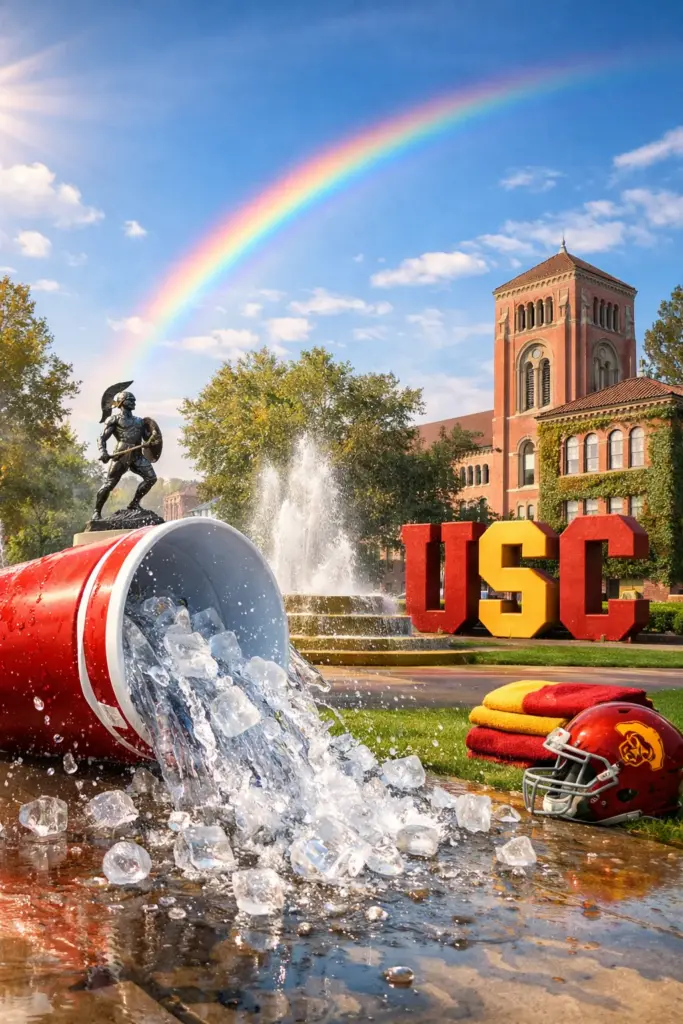
The USC Ice Bucket Challenge is a campus driven activity linked with the global ALS awareness movement. Students, faculty, and alumni connected with the University of Southern California (USC) take part by pouring a bucket of ice water over their heads, recording the moment, and sharing it online to support research related to Amyotrophic Lateral Sclerosis (ALS).
This activity carries a message far beyond a simple cold-water moment. It promotes awareness of a serious neurological condition and encourages financial support for medical research. The USC community uses social platforms, student organizations, and campus gatherings to spread the message and motivate others to take part.
The meaning behind the challenge centers on awareness, empathy, and community action.
Background of the Ice Bucket Challenge
The Ice Bucket Challenge gained worldwide popularity during 2014 as part of ALS awareness campaigns. Participants pour ice water over themselves and nominate friends or classmates to repeat the challenge within a short time frame.
ALS affects nerve cells that control voluntary muscles. As the disease progresses, movement, speech, and breathing gradually decline. Research funding plays a major role in treatment development.
USC students revived and shared the challenge on campus platforms and social media, connecting university culture with global health awareness.
Purpose Behind the USC Ice Bucket Challenge
At USC, the challenge carries several goals connected with public awareness and community participation.
Main Goals:
- Promote awareness about ALS
- Encourage donations toward medical research
- Build campus participation through social media sharing
- Support ALS patients and families
- Spread educational information across student networks
Students film the moment, nominate friends, and add donation links. This chain reaction creates strong participation throughout campus groups.
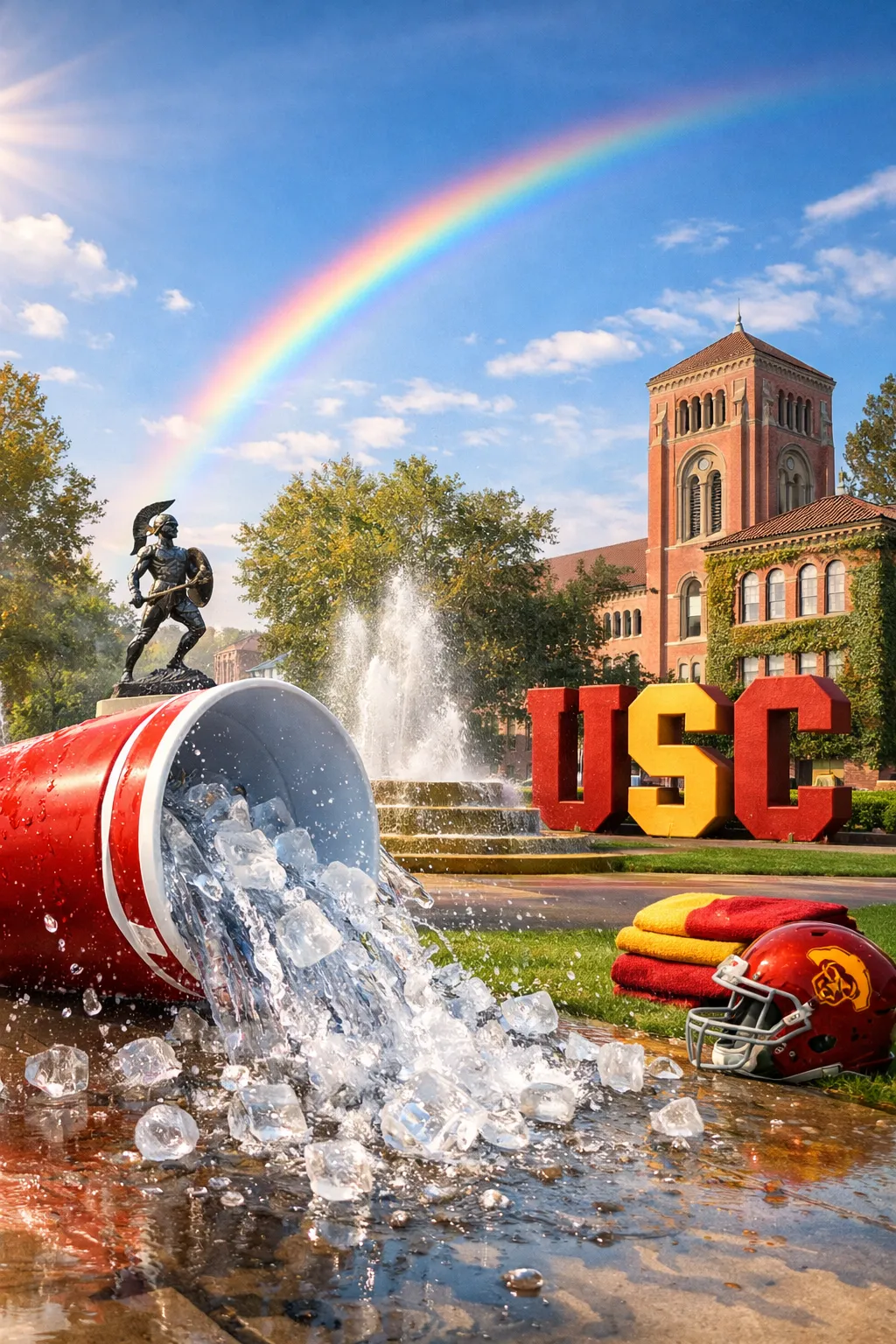
Simple Explanation of the Challenge Process
The activity remains simple and easy for anyone to join.
Basic steps followed by USC participants:
- Fill a bucket with ice and cold water
- Record a short video message about ALS awareness
- Pour the bucket of water over the head
- Share the video online
- Nominate friends or classmates to repeat the challenge
- Add donation links for ALS research foundations
This short action spreads awareness rapidly through social networks.
Why USC Students Participate
University communities frequently organize awareness activities for health, social causes, and research support. The Ice Bucket Challenge aligns with these values.
USC students participate for several reasons:
- Community engagement
- Health awareness campaigns
- Student leadership initiatives
- Social media awareness movements
- Charity fundraising efforts
Student organizations, athletic teams, residence halls, and academic groups participate in friendly nomination chains that encourage more people to join.
Role of Social Media in the USC Challenge
Social media platforms serve as the main channel for spreading the challenge. Students upload short videos to platforms such as Instagram, TikTok, and X.
These videos usually contain:
- A short explanation of ALS
- The ice bucket moment
- Nominations for friends
- Donation links
Because students share videos widely, the message spreads across campuses and beyond university circles.
USC Ice Bucket Challenge and ALS Awareness
ALS awareness sits at the center of the challenge. The disease affects motor neurons in the brain and spinal cord.
Over time, ALS leads to:
- Muscle weakness
- Difficulty speaking
- Difficulty swallowing
- Difficulty breathing
Research funding supports medical scientists working on treatments and therapies. Awareness activities such as the Ice Bucket Challenge help attract donations for research programs.
Important Details About the USC Ice Bucket Challenge
| Activity | Pouring ice water over the head |
| Goal | ALS awareness and research fundraising |
| Location | University of Southern California campus |
| Participants | Students, faculty, alumni |
| Sharing method | Social media videos |
| Challenge chain | Participants nominate friends |
| Charity link | ALS research organizations |
Student Organizations Supporting the Challenge
Many USC student groups promote the activity through campus campaigns.
Examples of groups that may support the challenge:
- Health awareness clubs
- Medical student groups
- Athletic teams
- Community service organizations
- Residence hall communities
These groups organize group challenges where multiple students participate together in a single session.
Campus Culture and Awareness Campaigns
University environments encourage activism, charity efforts, and health awareness. Activities such as the Ice Bucket Challenge create a shared experience among students.
Benefits of these activities on campus:
- Stronger community participation
- Charity fundraising opportunities
- Educational discussions around diseases
- Student leadership development
- Social media engagement
Through these activities, students share messages about public health issues beyond the classroom.
Emotional Meaning Behind the Challenge
The bucket of ice water symbolizes the physical shock and discomfort experienced by many ALS patients as muscles gradually lose function.
Participants momentarily experience cold discomfort while spreading awareness about a condition that affects thousands of families worldwide.
This symbolic act helps people remember the seriousness of ALS while encouraging action through donations and awareness.
How Donations Connect With the Challenge
Many USC participants attach donation links beneath their challenge videos. Friends and viewers may contribute to ALS research organizations.
Donation funds support:
- Laboratory research
- Clinical trials
- Patient support programs
- Medical equipment development
- Caregiver resources
Through campus participation, small donations from many individuals add up to meaningful funding for ALS programs.
Global Connection of the Ice Bucket Movement
Although the USC version occurs on campus, the challenge connects with a global movement. Universities across the world conduct similar awareness campaigns.
Global participation helps expand awareness across different regions and cultures.
The movement demonstrates how social media, students, and charity initiatives can work together for health awareness.
Ethical Side of Awareness Campaigns
Awareness campaigns should focus on respect toward patients and families living with ALS.
Students participating in the challenge usually add educational messages or donation information to keep the focus on ALS awareness rather than personal attention.
Maintaining respectful messaging helps preserve the purpose behind the activity.
What does the USC Ice Bucket Challenge mean?
The challenge represents a campus activity promoting ALS awareness and research funding through a viral social media campaign involving ice water pouring videos.
Why do participants pour ice water over their heads?
The cold water moment acts as a symbolic gesture connected with ALS awareness. It helps spread messages about the disease while encouraging donations.
Who participates in the USC Ice Bucket Challenge?
Students, faculty members, alumni, and campus organizations take part. Participation spreads through nomination chains on social media.
Does the challenge help ALS research?
Awareness campaigns increase visibility for ALS charities and encourage fundraising. Donations collected through campaigns support scientific research and patient care programs.