

For years, productivity advice focused almost entirely on scheduling, calendars, and squeezing more tasks into each day. While effective time management remains important, many professionals have realised that having enough hours available does not automatically lead to meaningful results. Increasingly, leaders, entrepreneurs, and high achievers are placing greater emphasis on energy management, recognizing that their ability to think clearly, make sound decisions, and sustain performance depends more on their physical and mental capacity than simply how they organise their schedules. This shift has transformed the way many people approach work, encouraging a more balanced and sustainable model of productivity.
Why Time Is Only Part of the Productivity Equation
Every person receives the same twenty-four hours in a day, yet the quality of work produced during those hours can vary significantly.
Two professionals may spend the same amount of time on a project, but the one working with greater focus, motivation, and mental clarity is often able to produce stronger outcomes.
This difference highlights an important reality: productivity is influenced not only by time but also by the level of energy available to perform demanding tasks effectively.
Recognising this distinction has encouraged many high performers to rethink traditional approaches to work.
Understanding the Different Types of Energy
Personal energy extends beyond simply feeling awake.
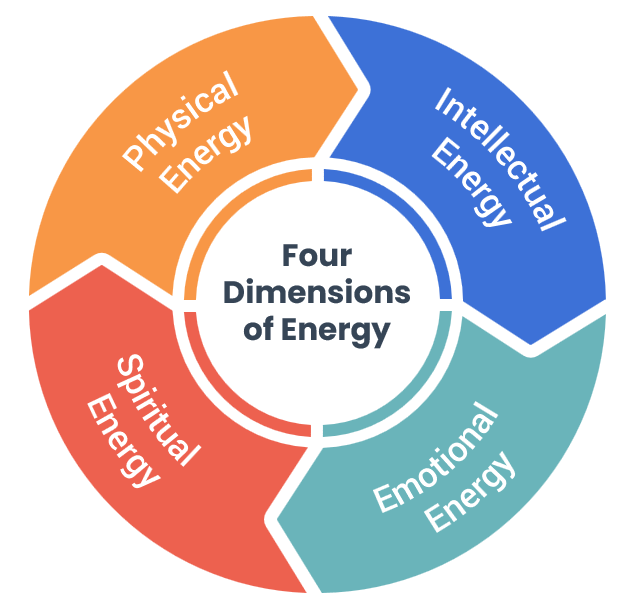
High performance depends on several interconnected forms of energy, including:
- Physical energy
- Mental focus
- Emotional resilience
- Creative capacity
- Motivation
- Cognitive endurance
When one of these areas becomes depleted, overall performance often declines regardless of how carefully a schedule has been planned.
Managing these energy resources has therefore become an essential part of maintaining consistent productivity.
Working With Natural Performance Rhythms
Rather than forcing themselves to maintain identical levels of output throughout the day, many successful professionals now organise work around their natural energy cycles.
Periods of peak alertness are often reserved for activities requiring:
- Strategic planning
- Creative thinking
- Complex problem-solving
- Important decision-making
- Deep concentration
Routine administrative work, emails, and repetitive tasks can then be completed during periods of lower mental intensity.
This approach allows individuals to match demanding work with their strongest cognitive performance.
Recovery Has Become Part of Productivity
Traditional productivity advice often celebrated working longer hours with fewer breaks.
Today, many high performers recognise that regular recovery contributes directly to sustained performance.
Short periods of rest may include:
- Walking outdoors
- Stretching
- Brief mindfulness exercises
- Hydration breaks
- Stepping away from screens
These moments allow the brain to recover, helping maintain concentration and reduce mental fatigue throughout the day.
Rather than reducing productivity, strategic recovery often improves it.
Decision-Making Improves With Higher Energy Levels
Many important business and personal decisions require careful analysis and sound judgement.
Mental fatigue can reduce the ability to:
- Evaluate information objectively
- Solve complex problems
- Communicate effectively
- Remain patient under pressure
- Adapt to changing circumstances
High performers increasingly schedule significant decisions during periods when they feel mentally refreshed instead of attempting difficult work while exhausted.
This simple adjustment often improves both the quality and consistency of decision-making.
Physical Well-Being Supports Professional Performance
There is growing recognition that physical health directly influences workplace performance.
Regular attention to:
- Sleep quality
- Nutrition
- Exercise
- Hydration
- Movement throughout the day
helps sustain the physical energy required for demanding professional responsibilities.
Rather than treating personal health and work performance as separate priorities, many professionals now view them as closely connected.
Healthy routines create the foundation for sustained cognitive performance.
Protecting Focus Has Become More Important
Modern workplaces present countless distractions.
Frequent notifications, constant emails, and uninterrupted meetings can quickly drain mental energy.
To preserve focus, many professionals intentionally create environments that support deep work by:
- Silencing unnecessary notifications
- Scheduling uninterrupted work periods
- Limiting task switching
- Reducing digital distractions
- Establishing clear work priorities
Protecting attention helps conserve valuable mental energy while improving work quality.
Emotional Energy Influences Workplace Effectiveness
Professional success depends not only on technical ability but also on emotional resilience.
Managing emotional energy allows individuals to:
- Navigate workplace challenges
- Maintain positive relationships
- Handle pressure effectively
- Recover from setbacks
- Lead with confidence
Building emotional awareness through reflection, communication, and stress management contributes to stronger long-term performance.
Emotional stability often supports clearer thinking during demanding situations.
Sustainable Success Requires Long-Term Thinking
Burnout has become an increasing concern across many industries.
Working at maximum intensity every day without adequate recovery often leads to declining motivation, reduced creativity, and lower overall performance.
Many high achievers now prioritise sustainable work habits by balancing periods of focused effort with intentional recovery.
This long-term perspective allows them to maintain consistent performance without sacrificing personal well-being.
Success is increasingly measured by longevity as well as immediate results.
Leadership Is Influencing Workplace Culture
Organisations are also beginning to embrace energy-focused approaches.
Forward-thinking leaders recognise that productive teams require more than efficient schedules.
Many workplaces now encourage:
- Flexible work arrangements
- Well-being initiatives
- Realistic workloads
- Recovery opportunities
- Healthy communication practices
These strategies support employee engagement while contributing to stronger organisational performance.
As workplace expectations continue evolving, energy-conscious leadership is becoming an important competitive advantage.
A More Balanced Definition of High Performance
The understanding of productivity has expanded considerably beyond simply managing time. High performers increasingly recognise that energy is the resource that determines how effectively those hours are used. By paying closer attention to physical well-being, mental focus, emotional resilience, and recovery, professionals can maintain higher levels of performance without relying solely on longer working hours.
This shift reflects a broader appreciation for sustainable success—one that values consistent output, thoughtful decision-making, and personal well-being alongside professional achievement. As more individuals and organisations adopt this perspective, managing personal energy is becoming a defining characteristic of effective leadership and long-term productivity in today’s demanding work environment.