

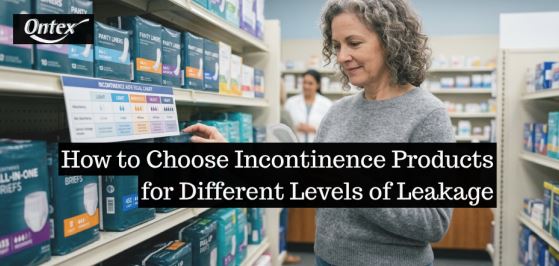
You choose incontinence products by matching the absorbency level to how much urine you leak throughout the day or night. Light leaks call for thin liners or pads, moderate leaks need more absorbent options, and heavy leakage works best with pull-up pants or all-in-one briefs.
It sounds simple enough, but the number of options on the shelf can make the whole process confusing. At OntexHealthcare, we’ve helped Australians find incontinence products that suit their actual level of need for years.
So we know how frustrating it feels when you’re guessing between products without a clear guide. And we wrote this article with that frustration in mind. You’ll learn how absorbency levels work, which product types fit different situations, and how your pelvic floor health affects your choice.
Beyond that, we’ll walk you through treatment options, free support through the National Continence Helpline, and what real customers have to say.
What Are Incontinence Products and How Do They Help with Urinary Incontinence?
Incontinence products are items you wear or place on surfaces to absorb urine leaks and protect your skin, clothing, and bedding. They range from light liners and pads to pull-up pants and full briefs, and each one targets a different level of bladder leakage.
Now, believe it or not, urinary incontinence affects Australians of all ages, not only older adults. Younger women, men recovering from surgery, and even children can experience bladder difficulties. Each type of incontinence responds differently to treatment, so the right product for one person won’t always suit another.
That’s why the real goal with any incontinence product is to keep urine away from your skin and give you the support to go about your day with confidence. With urinary incontinence, the right fit makes daily life far easier to manage.
Now, let’s look at how absorbency levels help you narrow down the right product.
Absorbency Levels in Incontinence Products Australia: A Simple Breakdown
Every incontinence product in Australia comes with an absorbency level, and picking the right one depends on how much urine your bladder releases during the day or night.
Here’s a simple way to think about it:
| Level | Best For |
| Light | Small drips or occasional leaks during daily activities |
| Moderate | Frequent leaks that leave underwear noticeably wet |
| Heavy | Larger volumes of urine, often with urgency symptoms |
| Overnight | Extended wear through the night when you can’t change products |
Using the wrong absorbency level often leads to damp skin, irritation, and frequent product changes (and yes, that trial-and-error phase is something most people know too well).
So, if you match your leakage symptoms to the correct level from the start, you’ll avoid unnecessary discomfort and get better value from each product.
Disposable Pads, Bed Pads, and Other Common Product Types
Once you know your absorbency level, the next step is matching it to the right product type. There are a few main options that cover most incontinence needs, and each one suits a different part of your routine.
Disposable Pads
Disposable pads fit inside your regular underwear and absorb light to moderate bladder leaks during the day. Most adults find them comfortable enough to wear at work, during errands, or at social outings without anyone noticing.
Bed Pads
Bed pads sit on top of your mattress and catch urine leaks while you sleep at night. Some are washable and reusable, which helps reduce long-term costs for families managing incontinence at home.
Pull-Up Pants and All-in-One Briefs
Pull-up pants look and feel similar to regular underwear, which makes them popular for adults with moderate to heavy leakage. All-in-one briefs offer even more support and protection for overnight use or for people with limited mobility.
Pairing the right product type with your absorbency level gives you reliable bladder coverage through the day and night.
How Pelvic Floor Muscles and Stress Incontinence Affect Your Product Choice
Weak pelvic floor muscles and stress incontinence both push you toward lighter, fast-absorbing products rather than heavier overnight options. Your pelvic floor muscles control how well your bladder holds urine, and when those muscles weaken, leaks become harder to predict.
In fact, pelvic floor muscle weakness is one of the most common causes of bladder leakage in both women and men. Stress incontinence, for example, causes urine to leak during coughing, sneezing, or laughing (which can catch you off guard at the worst possible moment). And frankly, if you deal with these symptoms, you’ll get more value from a thin, discreet pad than from a bulky overnight brief.
But products alone don’t tell the full story, so let’s look at what else can help strengthen your pelvic floor.
Treatment Options and Pelvic Floor Support Beyond Products
Products help you manage leakage day to day, but a few treatment options can reduce your symptoms over time. Here, your doctor can guide you through the right mix of support based on your situation.
A closer look at the most common approaches includes:
- Pelvic Floor Exercises:Regular pelvic floor muscle exercises strengthen bladder control and can reduce leaks over several weeks of consistent practice.
- Professional Guidance:We hear this often from families we work with at Ontex Healthcare, and what helps most is a personalised plan from a doctor combining exercises, lifestyle changes, and products.
- Medications and Procedures:When pelvic floor exercises alone don’t resolve your symptoms, your doctor may suggest medication or a minor procedure for extra bladder support (a conversation with your GP takes 15 minutes, but the difference can last years).
Pairing these treatment options with the right incontinence products gives you the best chance of staying comfortable long term.
How the National Continence Helpline and Continence Health Australia Can Help You
The National Continence Helpline gives you free, confidential advice from trained continence nurses right across Australia. You can contact them on 1800 330 066 to discuss your symptoms, find a local doctor, or get help choosing between products like the iD or Lille range from Ontex Healthcare.
Beyond the helpline, Continence Health Australia connects adults of all ages with educational resources and local support services at no cost. If you or someone in your aged care network needs financial help, the Australian Government also runs the Continence Aids Payment Scheme, which helps cover the cost of incontinence products for eligible Australians.
Between the National Continence Helpline, government funding, and the right products, you can access the support you need without figuring it all out alone.
Customers Speak: Why Australians Trust Ontex Healthcare
One thing we’ve noticed after years of helping Australians manage incontinence is that the right product changes how people feel about their day. Customers regularly tell us they stopped dreading outings and started sleeping through the night once they found reliable support.
And that confidence tends to grow. Adults who once avoided social events now plan weekends away, simply because their incontinence solutions keep up with their lives.
We’ve built the iD range for advanced absorbency, the Lille range as a dependable everyday option, and the Kylie range for washable bed protection, so there’s a fit across all three brands for every leakage level.
Your Leakage Level Shouldn’t Decide Your Lifestyle
Wherever your leakage level sits today, you have more control over your comfort than you might expect. The right incontinence products, a stronger pelvic floor, and professional bladder support can work together to help you sleep through the night, get through your day, and enjoy life on your terms.
If you’re not sure where to start, contact the National Continence Helpline on 1800 330 066 for free advice. And when you’re ready to find the right fit, Ontex Healthcare has products across every leakage level to support Australians at any stage.
Don’t let bladder leaks hold you back; the right help is already out there waiting for you.