

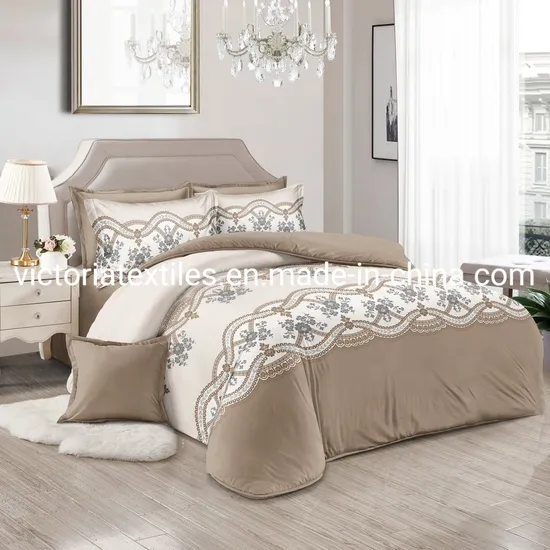
OEM microfiber bedding fabric has become a widely used material for sheets, comforters, duvet covers, pillowcases, and other home textile products. Its combination of softness, durability, design flexibility, and easy care makes it suitable for many bedding collections.
For brands, wholesalers, importers, and textile manufacturers, choosing the right fabric involves more than comparing prices. Buyers should consider GSM, width, weave, finish, color, printing method, consistency, certifications, production capacity, and customization before placing a bulk order.
Why Bedding Brands Choose Polyester Microfiber
Polyester microfiber uses very fine synthetic fibers to create a smooth and lightweight textile. Businesses looking for customized bedding materials can work with Joyi Life, a China based manufacturer producing polyester microfiber fabrics and finished home textile products for international buyers.
Microfiber can be produced with different textures and appearances, making it useful across several bedding categories. Depending on the required product, manufacturers can create brushed, dyed, printed, satin, embossed, jacquard, ultrasonic, white, and recycled polyester fabric options.
Benefits of OEM Microfiber Bedding Fabric
Working with OEM microfiber bedding fabric allows brands to develop materials according to their product requirements instead of relying entirely on standard stock fabrics. Specifications can include fabric weight, width, color, weave, surface treatment, printing, and other characteristics.
This flexibility is valuable when developing private label collections. A hotel supplier may have different requirements from an online bedding brand, while a comforter manufacturer may need different fabric specifications from a company producing sheets and pillowcases.
Choosing Fabric for Sheets and Duvet Covers
Bed sheets require a balance of softness, strength, comfort, and easy maintenance. Brushed microfiber is often used because the brushing process raises fine surface fibers, creating a smoother and softer feel while maintaining the underlying strength of polyester.
Duvet covers also benefit from materials that can withstand repeated use and washing. Buyers can research available fabric categories through joyilife.com when comparing brushed microfiber, printed polyester, dyed fabrics, satin materials, embossed designs, and other options for bedding production.
Microfiber Fabric for Comforter Production
Comforter shells have their own material requirements because the outer fabric needs to work with the filling and construction of the finished product. Fabric weight, weave, surface feel, width, and resistance to filling migration can all influence material selection.
Manufacturers sourcing OEM microfiber bedding fabric should provide clear specifications before production begins. Samples, required GSM, useful width, colors, finishes, and intended applications can help the supplier understand what type of material is needed for the finished comforter.
Custom Colors, Prints and Fabric Finishes
Appearance plays an important role in bedding because color and pattern can help distinguish one collection from another. Solid dyed fabrics offer a simple look, while printed materials allow brands to introduce floral, geometric, seasonal, children’s, and other designs.
Joyi Life supports custom colors based on supplied requirements and offers OEM and ODM options for textile buyers. Different finishing processes can also create brushed, peach skin, satin, embossed, and other surface effects, helping brands develop a particular appearance and hand feel.
Understanding GSM, Width and Fabric Construction
GSM refers to grams per square meter and provides a useful measurement of fabric weight. Buyers should not automatically assume that a higher GSM is always better because the appropriate weight depends on the intended bedding product, desired feel, construction, and target market.
Width is equally important for efficient production. Selecting a suitable fabric width can help manufacturers plan cutting and reduce unnecessary waste. Buyers should therefore provide accurate width, GSM, weave, and finishing requirements when requesting quotations or samples.
Quality Control When Sourcing Bedding Fabrics
Consistent quality is particularly important for bulk textile orders. Variations in weight, color, width, shrinkage, printing, or surface finish can create problems when thousands of meters of material are being converted into finished bedding.
A structured sourcing process can include lab dips, print strike offs, pre production samples, batch inspections, and final checks. joyilife.com describes quality controls covering different production stages, helping buyers understand how fabric is reviewed before bulk orders are prepared for shipment.
What to Consider When Choosing a Textile Supplier
Price is important when sourcing large quantities of fabric, but buyers should also evaluate manufacturing experience, production capacity, customization, communication, quality control, sampling, lead times, certifications, packaging, and the ability to maintain consistency between orders.
A vertically managed production process can provide additional control over important stages. Joyi Life handles processes including yarn preparation, weaving, dyeing, printing, finishing, inspection, rolling, and packing as part of its microfiber bedding fabric production.
Building a Bedding Collection With the Right Fabric
A successful bedding collection requires materials that match the product’s intended market. Retail brands, hotels, wholesalers, importers, and home textile manufacturers may each prioritize different combinations of softness, durability, appearance, maintenance, price, and customization.
When sourcing OEM microfiber bedding fabric, buyers should clearly define the finished application and technical requirements before bulk production. Manufacturers such as Joyi Life and the product information available through joyilife.com can help textile buyers compare polyester materials, finishes, customization, and sourcing options for sheets, comforters, duvet covers, pillowcases, and other bedding products.