

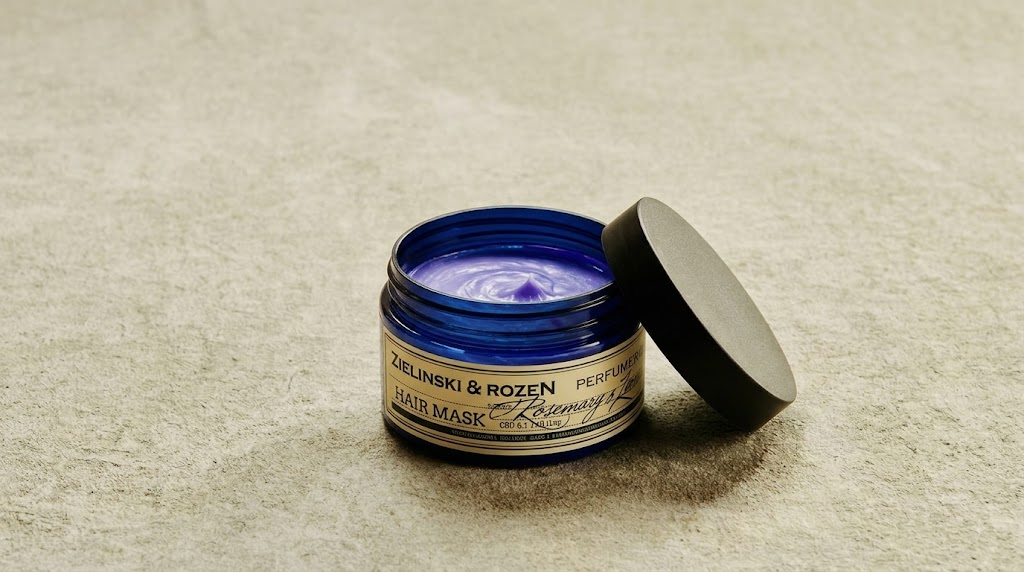
Daily styling, heat exposure, colouring, environmental factors, and frequent washing can leave hair looking dry, rough, dull, and difficult to manage. Adding a hair mask for damaged hair to a consistent hair care routine can provide targeted conditioning and help improve the appearance and feel of stressed strands. While no hair product can permanently reverse structural damage, a well-formulated hair mask can support moisture, softness, smoothness, and manageability, helping damaged hair look healthier.
Understanding Hair Damage
Hair damage occurs when the outer protective layer of the hair becomes compromised. Healthy-looking hair typically has a relatively smooth cuticle, which helps reflect light and maintain moisture. Repeated physical, chemical, and environmental stress can disturb this surface.
Common Causes of Hair Damage
Several everyday habits can contribute to damaged hair, including:
- Frequent heat styling
- Hair colouring or chemical treatments
- Excessive brushing
- Tight hairstyles
- Frequent washing
- Exposure to sunlight
- Chlorinated or salty water
- Dry environmental conditions
- Rough towel drying
Over time, these factors can contribute to dryness, split ends, frizz, breakage, and a rough texture.
Signs Your Hair May Be Damaged
Recognising signs of damage can help you adjust your hair care routine. Damaged hair may feel rough when touched and can become tangled easily. Other common signs include increased frizz, dullness, split ends, reduced softness, and strands that break more easily than usual.
Hair may also lose some of its natural elasticity. When hair is repeatedly exposed to damaging processes, it can become more fragile and difficult to style.
What Is a Hair Mask?
A hair mask is a conditioning treatment designed to provide more intensive care than a regular conditioner. Depending on its formulation, a mask may contain moisturising, conditioning, strengthening, or smoothing ingredients.
Hair masks are generally left on the hair for longer than everyday conditioner, allowing the conditioning ingredients more time to work on the hair surface.
How Hair Masks Differ From Conditioner
Conditioner is commonly used after shampooing as part of a regular washing routine. A hair mask is typically used less frequently and is intended to provide more concentrated conditioning.
This does not mean a hair mask should replace conditioner in every routine. Instead, it can complement regular conditioning when hair needs additional moisture and care.
Benefits of Using a Hair Mask for Damaged Hair
A suitable hair mask can offer several cosmetic benefits when used consistently and correctly.
Helps Improve Moisture and Softness
Dryness is one of the most noticeable characteristics of damaged hair. Conditioning ingredients can help improve the feel of dry strands by providing moisture and reducing roughness.
Hair that feels softer is generally easier to comb, style, and manage.
Supports Smoother-Looking Hair
Damage can cause the hair cuticle to appear uneven, contributing to a rough or frizzy appearance. Conditioning treatments can help smooth the surface of the hair temporarily.
This can make the hair look more polished and improve its overall appearance.
Improves Manageability
Damaged hair often becomes tangled and difficult to control. A conditioning hair mask can help reduce friction between strands, making detangling easier.
Better manageability can also reduce the amount of pulling and brushing required during styling.
Helps Reduce the Appearance of Frizz
Frizz can become more noticeable when hair is dry or the cuticle is uneven. A nourishing and conditioning treatment can help hair appear smoother and more controlled.
The results depend on the formulation, hair type, and degree of existing damage.
Key Ingredients to Consider
Different hair masks contain different combinations of ingredients. Understanding their general roles can help you choose a product that matches your needs.
Moisturising Ingredients
Ingredients that help attract or retain moisture can be useful for dry-looking hair. These may include various humectants and naturally derived moisturising components.
Their role is generally to improve the hair’s hydration and softness.
Conditioning Oils and Butters
Plant oils and cosmetic butters are frequently used in hair treatments. They can help coat the hair surface, improve smoothness, and reduce the rough feeling associated with dryness.
However, heavier oils and butters may not be ideal for every hair type, particularly very fine hair.
Protein-Based Ingredients
Some hair masks contain proteins or protein-derived ingredients. These are often included in formulations intended for weakened or chemically treated hair.
Protein-based treatments may help improve the temporary feel and appearance of damaged strands, but excessive use may not be suitable for every hair type.
How to Use a Hair Mask Effectively
Using a hair mask correctly can help you get better results from your routine.
Start With Clean Hair
Many hair masks are designed to be applied after shampooing. Washing the hair first helps remove excess oil, dirt, and styling residue.
Follow the specific product instructions because application methods can vary between formulations.
Focus on the Lengths and Ends
The mid-lengths and ends of the hair are often more exposed to mechanical and environmental stress than newly grown hair near the scalp.
Applying a conditioning mask primarily to these areas can provide targeted care without unnecessarily weighing down the roots.
Leave It on for the Recommended Time
Allowing the mask to remain on the hair for the recommended amount of time gives its conditioning ingredients an opportunity to work.
Leaving a product on much longer than instructed does not necessarily provide additional benefits.
Rinse Thoroughly
After the treatment time is complete, rinse the hair thoroughly. Residue left behind can make hair feel heavy, greasy, or difficult to style.
How Often Should You Use a Hair Mask?
There is no universal frequency that works for everyone. Hair condition, texture, porosity, styling habits, and the type of mask all influence how often it should be used.
People with very dry or damaged hair may prefer a more regular treatment, while those with fine or naturally oily hair may need it less frequently.
A practical approach is to start with occasional use and observe how the hair responds. If it feels soft, manageable, and balanced, the frequency may be appropriate. If it becomes heavy or coated, reducing use may help.
Hair Care Habits That Can Support Damaged Hair
A hair mask works best when combined with habits that reduce further stress.
Reduce Excessive Heat
Frequent use of high-temperature styling tools can contribute to dryness and breakage. Lowering the temperature, limiting styling frequency, and using appropriate heat protection can help reduce unnecessary exposure.
Be Gentle When Detangling
Wet hair can be more vulnerable to stretching and breakage. Using gentle movements and an appropriate detangling method can minimise unnecessary pulling.
Avoid Excessive Chemical Processing
Frequent colouring, bleaching, straightening, or other chemical processes can increase stress on the hair. Allowing adequate time between treatments may help reduce cumulative damage.
Protect Hair From Environmental Stress
Sun exposure, dry air, wind, salt water, and chlorinated water can all affect the feel and appearance of hair. Protective habits, such as covering the hair when appropriate and rinsing after swimming, can support a healthier routine.
Choosing the Right Hair Mask for Your Hair Type
The best hair mask depends on what your hair actually needs.
For Dry and Coarse Hair
A richer conditioning formula may be useful for hair that feels extremely dry or rough. Ingredients that support softness and moisture can make the strands feel more manageable.
For Fine Hair
Fine hair can easily become weighed down. A lightweight treatment may provide conditioning benefits without making the hair appear flat or greasy.
For Chemically Treated Hair
Hair that has undergone colouring or chemical processing may benefit from a combination of conditioning and strengthening ingredients. The goal should be to improve manageability while limiting further stress.
For Curly Hair
Curly hair can often benefit from additional moisture and conditioning. A suitable mask may help improve softness, reduce the appearance of frizz, and make curls easier to manage.
Final Thoughts
A hair mask can be a valuable addition to a hair care routine when strands appear dry, rough, frizzy, or difficult to manage. A hair mask for damaged hair can provide concentrated conditioning that helps improve softness, smoothness, moisture, and overall manageability.
However, it is important to have realistic expectations. Hair that has already been structurally damaged cannot be completely restored to its original condition through a cosmetic treatment. Regular conditioning, gentle handling, reduced heat exposure, and thoughtful styling habits can help improve the appearance of existing damage while reducing additional stress.
By understanding your hair type and selecting a suitable treatment, a hair mask can become a simple and effective step toward healthier-looking, softer, and more manageable hair.