

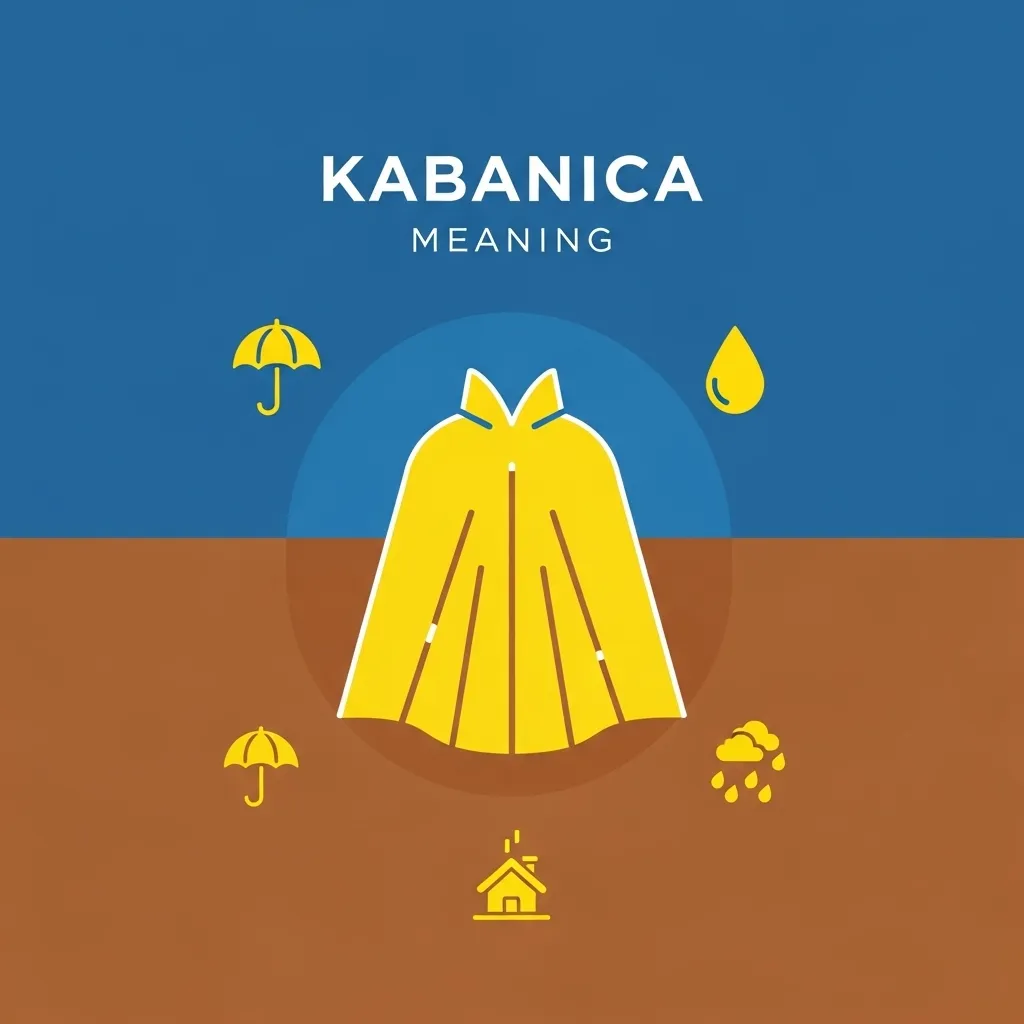
Kabanica refers to a long outer garment designed for protection against cold, wind, and rain. The term appears across several European regions, especially in Slavic and Balkan languages, where it describes a coat-like layer worn over daily clothing. Kabanica serves both functional and cultural roles, combining warmth, coverage, and regional identity.
In practical use, kabanica describes an overcoat that reaches below the waist, sometimes extending to the knees. Materials vary based on climate, season, and social setting, ranging from wool and felt to lighter fabric versions.
Linguistic Roots of Kabanica
The word kabanica originates from South Slavic language groups. Its structure links to traditional terms used for protective clothing in rural and urban communities. Over time, the term adapted into local dialects with minor pronunciation shifts.
Common linguistic attributes:
- Feminine noun structure
- Usage in descriptive, everyday speech
- Strong presence in folk vocabulary
Regional Usage and Cultural Context
Kabanica appears widely across countries such as Serbia, Croatia, Bosnia, Montenegro, and parts of Eastern Europe. In each region, the garment follows similar principles while allowing stylistic variation.
Cultural context cover:
- Rural life during colder months
- City wear during transitional seasons
- Traditional attire paired with boots or scarves
The kabanica holds a practical place rather than ceremonial status, serving daily needs rather than symbolic roles.
Traditional Design Features
A kabanica follows a structured yet relaxed form. Its cut allows movement while providing coverage from harsh weather.
Design traits include:
- Straight or slightly flared silhouette
- Buttoned or belted front closure
- Long sleeves with wide cuffs
- Collar designed to block wind
Fabric choice determines weight and warmth level, adapting the garment for autumn, winter, or early spring.
Materials Used in Kabanica
Fabric selection depends on purpose, climate, and craftsmanship. Traditional models favor natural fibers due to insulation and durability.
Popular materials:
- Wool for insulation
- Felt for wind resistance
- Thick cotton blends for lighter use
- Lined interiors for added warmth
Modern versions may incorporate synthetic fibers for easier maintenance.
Kabanica vs Similar Outerwear
Although kabanica resembles coats or cloaks, its identity remains distinct.
| Kabanica | Standard Coat | Cloak | |
| Length | Mid to long | Short to long | Long |
| Structure | Semi-fitted | Tailored | Loose |
| Closure | Buttons or belt | Buttons or zip | Open or clasp |
| Regional Term | Yes | No | No |
This comparison highlights how kabanica maintains a clear classification.
Seasonal Role of a Kabanica
A kabanica fits best during cold or transitional weather. Its balanced weight suits early winter and late autumn, providing warmth without excessive bulk.
Seasonal advantages:
- Layer-friendly structure
- Breathable materials
- Wind protection without stiffness
People select kabanica styles based on regional temperature patterns and daily activity.
Social and Practical Value
Styled with utility in mind, Kabanica functions as a daily wear solution rather than a fashion statement. Its design supports long hours outdoors, commuting, and work related movement.
Practical benefits:
- Easy layering over shirts or sweaters
- Durable stitching for extended wear
- Neutral colors suitable for varied settings
Such traits support consistent usage across social groups.
Kabanica in Modern Wardrobes
Urban fashion incorporates kabanica-inspired coats through minimalist cuts and muted shades. Designers adapt the original form into contemporary outerwear while preserving length and comfort.
Modern adaptations:
- Slimmer silhouettes
- Lightweight lining
- Neutral color palettes
This approach keeps the garment relevant without altering its purpose.
Gender and Age Adaptability
In different communities, Kabanica suits all genders and age groups. Traditional tailoring avoids strict body-specific shaping, allowing universal use.
Adaptability features:
- Adjustable belts
- Loose sleeve structure
- Flexible sizing
This versatility explains its widespread acceptance across generations.
Functional Differences Across Regions
Regional climate shapes kabanica construction. Mountain areas favor thicker wool, while coastal zones lean toward lighter versions.
Regional distinctions:
- Heavier fabric inland
- Shorter length near warmer zones
- Hooded styles in rainy regions
Despite these changes, the core identity remains consistent.
Maintenance and Care Practices
Proper care extends the lifespan of a kabanica. Natural fabrics demand gentle handling.
Care tips:
- Air drying instead of machine drying
- Brushing wool surfaces
- Storing in breathable covers
Such practices preserve fabric texture and insulation quality.
Symbolism in Everyday Life
While primarily practical, kabanica carries subtle cultural value. It represents preparedness, modesty, and functionality rather than luxury.
Symbolic associations:
- Readiness for harsh weather
- Simplicity in daily wear
- Regional continuity
These traits reinforce its presence in local lifestyles.
Kabanica Meaning in Contemporary Language
In modern speech, kabanica retains its original reference without metaphorical expansion. Speakers use the term directly for the garment itself, maintaining linguistic precision.
Language usage remains:
- Literal
- Context-specific
- Regionally consistent
This clarity supports long-term retention within vocabulary.
Complete Details
| Term | Kabanica |
| Category | Outerwear |
| Length | Mid to long |
| Primary Use | Weather protection |
| Material Range | Wool, felt, cotton blends |
| Regional Presence | Balkans, Eastern Europe |
It is now clear that Kabanica represents a practical outer garment rooted in regional tradition and daily necessity. The structure, material choices, and adaptable form support consistent use across climates and generations. Through language and wear, kabanica remains a clear reference point for functional outerwear without decorative excess.