

A healthy, complete smile can make a meaningful difference in your confidence, appearance, and everyday comfort. However, missing teeth can affect more than your smile. They may make chewing difficult, influence speech, and change the way your remaining teeth fit together. Fortunately, modern restorative dentistry offers several options to replace missing teeth, including fixed implant-supported dental bridges.
A fixed bridge dental implant is a tooth replacement solution that uses dental implants to support a connected set of artificial teeth. This treatment can restore the appearance and function of multiple missing teeth without necessarily requiring an individual implant for every tooth.
If you are exploring fixed bridge dental implant treatment, understanding how it works, its benefits, and the available options can help you make an informed decision. In this guide, we will explain how fixed implant bridges can help restore a natural-looking smile and what to consider before starting treatment.
What Is a Fixed Bridge Dental Implant?
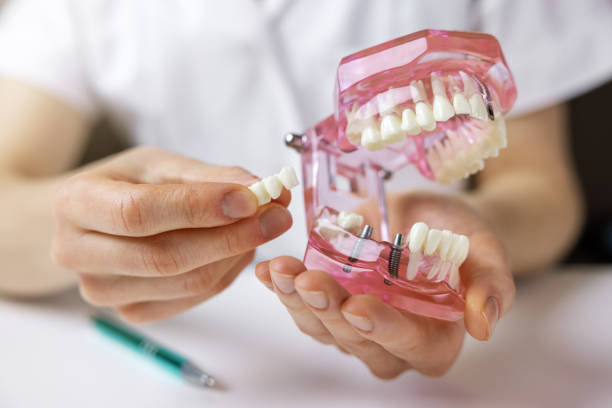
A fixed bridge dental implant is a restoration designed to replace several missing teeth using dental implants for support. The implants are placed in the jawbone and act as artificial tooth roots. A custom-made bridge is then attached to these implants to fill the gaps left by missing teeth.
Unlike a traditional dental bridge, which usually relies on neighbouring natural teeth for support, an implant-supported bridge is anchored to dental implants.
This approach may be suitable for people who have lost multiple adjacent teeth and want a stable, fixed alternative to removable dentures.
How Does a Fixed Implant-Supported Bridge Work?
The treatment generally involves three main components:
- Dental implants: Small posts, commonly made from titanium or other biocompatible materials, that are placed in the jawbone.
- Abutments: Connectors that attach the replacement teeth to the implants.
- Dental bridge: A custom-made restoration consisting of artificial teeth designed to replace the missing teeth.
After the implants are placed, they need time to integrate with the surrounding bone through a process called osseointegration. Once sufficient stability is achieved, the bridge can be attached according to the treatment plan.
The number of implants required depends on the number of missing teeth, bone quality, bite forces, and the design of the restoration.
How Can a Fixed Bridge Dental Implant Create a Natural-Looking Smile?
A natural-looking smile depends on more than simply filling gaps between teeth. The shape, colour, alignment, and proportions of replacement teeth all influence the final result.
A fixed implant-supported bridge can be customised to complement your remaining teeth and facial features.
1. Customised Tooth Shape and Colour
Replacement teeth are designed to suit the patient’s smile and oral anatomy. Your dentist considers factors such as tooth size, colour, and shape when planning the restoration.
The goal is to create a balanced appearance that blends with the surrounding teeth rather than making the replacement teeth look noticeably different.
2. Improved Smile Symmetry
Missing teeth can create visible gaps that affect the balance of your smile. A properly designed bridge fills these spaces and helps restore a more complete appearance.
The final result depends on the location of the missing teeth, the condition of the gums, and the restoration design.
3. Support for Everyday Speech
Teeth play an important role in producing certain speech sounds. Missing teeth may affect pronunciation, depending on their location and the number of teeth lost.
Replacing them with a well-fitted bridge may help improve speech clarity. Some patients need an adjustment period while becoming accustomed to the new restoration.
4. A Stable Replacement for Missing Teeth
Because a fixed implant bridge is secured to dental implants, it does not need to be removed daily like a conventional removable denture.
This stability can help patients feel more comfortable while speaking, smiling, and eating. However, the restoration still requires regular cleaning and professional maintenance.
Benefits of Fixed Bridge Dental Implants
Fixed implant-supported bridges offer several potential benefits for suitable patients.
Restore Chewing Function
Missing teeth can make it difficult to chew certain foods comfortably. A properly planned implant bridge can help restore chewing function by replacing the missing teeth and providing a stable biting surface.
Your dentist will assess your bite and design the restoration to manage the forces placed on the implants.
Help Preserve Jawbone
When natural teeth are lost, the surrounding jawbone may gradually shrink because it no longer receives stimulation from the tooth roots.
Dental implants transmit functional forces to the surrounding bone and can help preserve bone in the areas where they are placed. However, they cannot prevent every type of bone change, making ongoing dental monitoring important.
Preserve Neighbouring Natural Teeth
Traditional bridges often require the supporting teeth next to a gap to be reshaped to accommodate crowns.
An implant-supported bridge generally relies on implants rather than neighbouring teeth for support. This may help preserve adjacent natural teeth that are otherwise healthy.
Provide Long-Term Tooth Replacement
With proper planning and maintenance, fixed implant-supported bridges can provide long-term function. Their lifespan depends on oral hygiene, gum health, bite forces, smoking habits, and regular professional care.
Although dental implants can last many years, the bridge or its components may eventually require repair or replacement.
Who Is a Suitable Candidate for a Fixed Bridge Dental Implant?
Not everyone with missing teeth is automatically suitable for implant treatment. A dentist must assess your oral health, jawbone, and medical history before recommending a fixed implant-supported bridge.
You may be a potential candidate if you:
- Have several adjacent missing teeth.
- Have healthy gums or gum disease that has been appropriately treated.
- Have sufficient jawbone to support the implants or may be suitable for bone grafting.
- Can maintain good oral hygiene and attend regular dental appointments.
- Have medical conditions that are appropriately managed for implant surgery.
Certain factors, including smoking, uncontrolled diabetes, active gum disease, and some medications, may affect healing and treatment outcomes. These factors do not always prevent implant treatment, but they should be discussed with your dental professional.
A comprehensive examination helps determine whether an implant bridge, traditional bridge, removable denture, or another option is appropriate for your needs.
The Fixed Bridge Dental Implant Procedure: Step by Step
Understanding the treatment process can help you prepare for your dental appointments and recovery.
Step 1: Initial Consultation
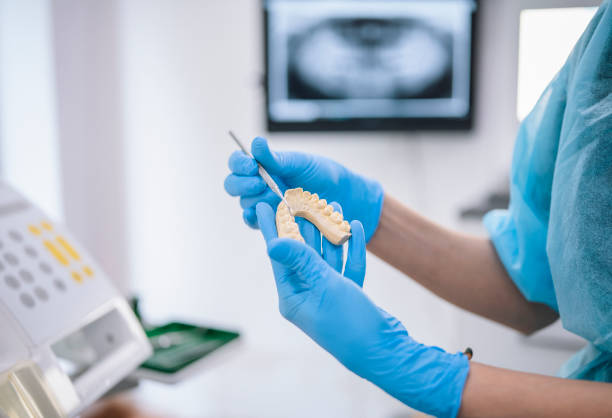
Your dentist examines your teeth and gums, reviews your medical history, and evaluates your bite. Dental X-rays or three-dimensional imaging may be recommended to assess bone volume and plan implant placement.
The dentist will also discuss your expectations, treatment options, potential risks, and estimated costs.
Step 2: Dental Implant Placement
The implants are surgically placed into the jawbone under appropriate anaesthesia. The procedure is planned according to the location of the missing teeth and the available bone.
Depending on your clinical situation, temporary replacement teeth may be provided during the healing period.
Step 3: Healing and Bone Integration
After placement, the implants need time to integrate with the surrounding bone. This process commonly takes several months, although the timeline varies between patients.
Your dentist will monitor healing and provide instructions about eating, oral hygiene, and protecting the implants during recovery.
Step 4: Custom Bridge Placement
Once the implants are sufficiently stable, your dentist arranges the final bridge. The restoration is checked for fit, appearance, and bite before being secured to the implants.
Any necessary adjustments are made to help ensure comfort and appropriate chewing function.
Step 5: Follow-Up and Maintenance
Regular dental visits help monitor the implants, bridge, and surrounding tissues. Your dentist can identify early signs of inflammation, wear, or other complications and recommend appropriate care.
How Much Does a Fixed Bridge Dental Implant Cost?
The cost of a fixed implant-supported bridge varies depending on several factors, including the number of implants, the number of replacement teeth, the materials used, and the complexity of the procedure.
Additional expenses may include diagnostic imaging, tooth extractions, bone grafting, temporary restorations, and follow-up appointments.
Before beginning treatment, request an itemised estimate that explains which services are included. Discussing maintenance requirements and potential future repairs can also help you understand the long-term cost.
How to Care for Your Fixed Implant Bridge
Good oral hygiene is essential for maintaining the health of your implants and the surrounding gum tissue. Although artificial teeth cannot develop cavities, plaque can accumulate around implants and contribute to inflammation or infection.
Follow these practices to protect your restoration:
- Brush twice daily using a soft-bristled toothbrush and fluoride toothpaste.
- Clean beneath the bridge with suitable interdental brushes or specialised floss recommended by your dentist.
- Attend regular dental examinations and professional cleanings.
- Avoid biting excessively hard objects that could damage the restoration.
- Follow your dentist’s advice if you grind or clench your teeth.
- Seek dental care if you notice persistent swelling, bleeding, discomfort, or a loose bridge.
Consistent maintenance helps support the long-term health of your implants and restoration.
Fixed Bridge Dental Implants vs. Traditional Dental Bridges
Both treatment options can replace missing teeth, but they differ in how they are supported.
A traditional bridge usually relies on neighbouring natural teeth, which may need to be reshaped to support the restoration. A fixed implant-supported bridge is anchored to dental implants placed in the jawbone.
Implant-supported bridges may be beneficial when preserving healthy neighbouring teeth is a priority. However, they involve surgery, require adequate bone or additional procedures, and generally take longer to complete.
Traditional bridges may be suitable when neighbouring teeth already need crowns or implant surgery is not appropriate. The best option depends on your oral health, treatment goals, budget, and preferences.
Conclusion
Achieving a natural-looking smile after tooth loss is possible with several restorative dental treatments. A fixed bridge dental implant can be an effective option for replacing multiple missing teeth, improving chewing function, and restoring the appearance of your smile.
The success of treatment depends on careful planning, suitable implant placement, healthy surrounding tissues, and consistent maintenance. Understanding the procedure, costs, benefits, and potential risks can help you decide whether this treatment aligns with your needs.
If you are considering a fixed implant-supported bridge, consult a qualified dental professional for a personalised assessment. Your dentist can explain the available options and develop a treatment plan designed to restore your smile while supporting your long-term oral health.