

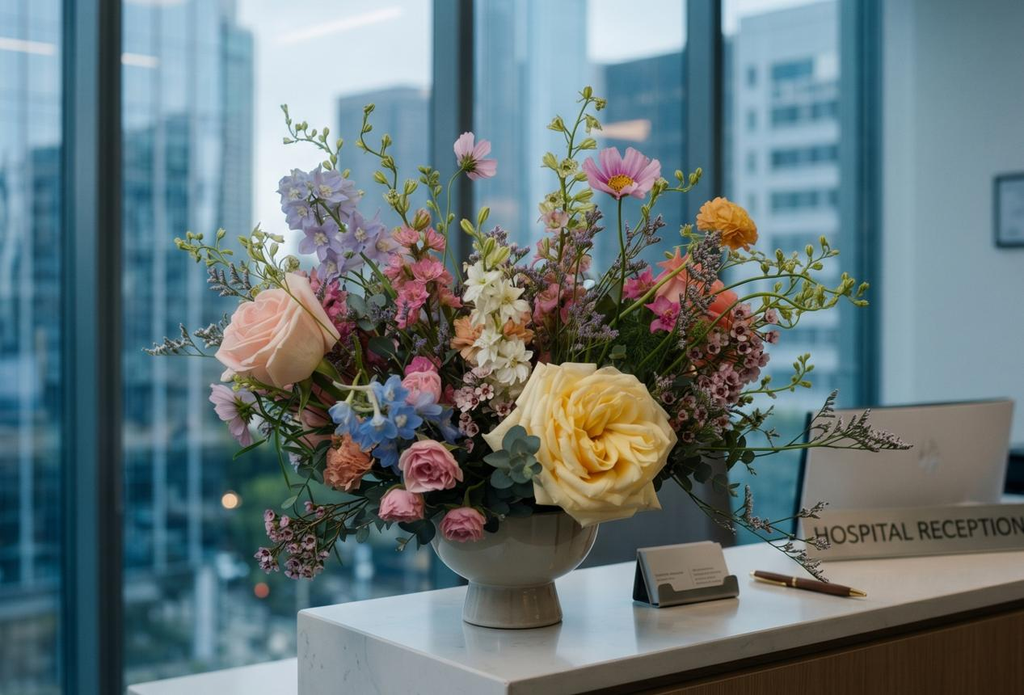
A hospital environment plays an important role in the overall experience of patients, visitors, and healthcare professionals. While medical care and patient safety remain the primary priorities, the appearance of healthcare spaces can also influence how welcoming and comfortable they feel. Thoughtfully selected colours, organised interiors, and suitable decorative elements can help create a more pleasant atmosphere.
A flower arrangement for hospital spaces can introduce colour, texture, and visual interest into designated areas such as reception desks, waiting rooms, administrative offices, and approved patient spaces. From simple floral displays to elegant artificial arrangements, flowers offer different ways to complement healthcare interiors without requiring major changes to the existing design.
However, decorating a hospital requires careful consideration. Hygiene standards, infection-control policies, allergies, fragrance sensitivities, and individual patient needs must always be taken into account before introducing flowers.
In this guide, we explore how floral décor can enhance suitable hospital spaces, which arrangements to consider, and how to balance visual appeal with practical healthcare requirements.
Why Floral Décor Matters in Hospital Environments
Hospital interiors are designed primarily around functionality, cleanliness, accessibility, and patient care. Although these requirements are essential, some non-clinical areas can benefit from decorative elements that make the surroundings feel less plain.
When permitted by hospital policies, floral arrangements can complement the existing interior design and introduce a softer visual element.
Some potential benefits of hospital floral décor include:
- Improved visual appeal: Flowers can add colour and texture to otherwise simple interiors.
- A welcoming atmosphere: Carefully positioned arrangements can make reception areas feel more inviting.
- Thoughtful interior design: Floral displays can complement furniture, wall colours, and decorative finishes.
- Flexible styling options: Different arrangements can suit contemporary, traditional, and minimalist spaces.
- Seasonal variety: Approved displays can be updated to reflect seasonal colours and occasions.
- Convenient decoration: Artificial flowers may provide a low-maintenance option in appropriate areas.
Floral décor should be viewed as an interior design choice rather than a medical intervention. Flowers cannot replace professional care, and their suitability depends on the needs of patients and the policies of the healthcare facility.
1. Create a Welcoming Atmosphere in Hospital Reception Areas
The reception area is often the first place patients and visitors encounter when entering a hospital. A clean, organised, and welcoming entrance can help establish a positive first impression.
Choose Simple and Elegant Floral Displays
Reception areas may accommodate decorative flowers when sufficient space is available and hospital guidelines allow them.
Consider these ideas:
- A compact arrangement on an approved reception counter.
- A medium-sized display on a console table away from busy walkways.
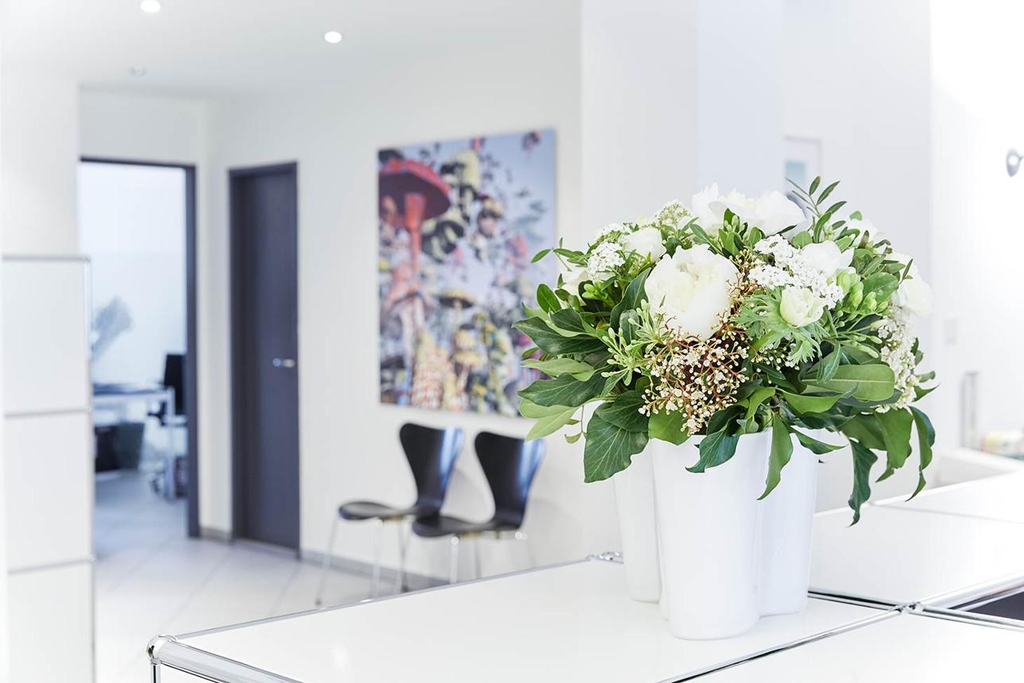
- White flowers paired with greenery for a clean, understated appearance.
- Soft pastel arrangements that complement neutral interiors.
- Artificial floral displays for suitable locations where regular flower maintenance is impractical.
Keep the Reception Area Practical
A hospital reception desk must remain accessible for registration, enquiries, and other essential activities. Floral arrangements should not obstruct computer screens, signage, documents, or visitor movement.
Choose stable containers and place them where they will not be easily knocked over. The display should enhance the space without making it difficult for reception staff to carry out their responsibilities.
2. Use Appropriate Floral Arrangements in Patient Spaces
Patient rooms require special consideration because they may contain medical equipment, personal belongings, and essential care facilities. Although flowers are sometimes given as thoughtful gifts, not every patient room is suitable for floral displays.
Consider the Patient’s Individual Needs
Before choosing a flower arrangement for a hospital patient, consider the person’s medical circumstances and the rules of the ward.
Important considerations include:
- Whether fresh or artificial flowers are permitted.
- Whether the patient has allergies or fragrance sensitivities.
- Whether infection-control precautions restrict decorative items.
- Whether the room has enough space for a suitable arrangement.
- Whether the flowers could interfere with medical equipment or cleaning.
Choose Compact Designs Where Permitted
If the hospital allows flowers in the patient’s room, a small and manageable arrangement may be more practical than an oversized bouquet.
Suitable design ideas can include a compact arrangement in a stable container, a simple display with a limited colour palette, or a modest artificial arrangement approved by the facility.
Keep flowers away from medical equipment, treatment surfaces, and areas that need to remain clear for healthcare staff.
If flowers are not permitted, a greeting card or another approved gift can be an equally thoughtful way to show support.
3. Select Colours That Complement Healthcare Interiors
Colour coordination can influence how floral displays look within a hospital environment. A carefully selected palette helps arrangements complement the surrounding interior without becoming visually distracting.
Explore Calming and Neutral Colour Combinations
Different colour combinations can create different decorative effects.
- White and green: A clean, simple combination for suitable reception and administrative spaces.
- Cream and peach: A warm palette that complements neutral furniture.
- Soft pink and ivory: A gentle combination for approved visitor areas.
- Yellow and white: A bright option for suitable communal spaces.
- Lavender and white: A subtle colour pairing for non-clinical interiors.
These are design suggestions rather than proven treatments for patient recovery. The best palette depends on the room’s existing colours, lighting, and intended use.
Coordinate Flowers with Furniture and Wall Colours
Before selecting an arrangement, consider the colour of the walls, seating, flooring, and nearby furniture.
For example, a neutral floral display may work well in a room with colourful seating, while a simple arrangement with soft accent colours can add visual interest to a predominantly white interior.
Using a limited number of complementary shades can create a balanced appearance and prevent the space from feeling cluttered.
4. Consider Artificial Flowers for Suitable Hospital Areas
Artificial flowers can be a practical decorative option in certain healthcare settings. They offer a consistent appearance without requiring watering or regular replacement of fading blooms.
However, artificial arrangements are not automatically suitable for every hospital department. Dust accumulation, cleaning requirements, and infection-control policies must still be considered.
Benefits of Artificial Floral Arrangements
Where permitted, artificial flowers may offer several advantages:
- No need to change vase water.
- No naturally decaying petals or leaves.
- A consistent decorative appearance.
- Flexible placement in approved non-clinical areas.
- Reusability for different seasons and occasions.
- A wide selection of colours and floral styles.
Choose Realistic and Easy-to-Maintain Designs
When selecting artificial arrangements, look for realistic petal textures, natural-looking colours, and well-finished stems.
Simple arrangements can work particularly well in reception areas, administrative offices, and other approved spaces.
Choose displays that can be cleaned according to the hospital’s procedures. Avoid arrangements with loose decorative pieces or materials that cannot be maintained appropriately.
Always confirm that artificial flowers are allowed in the intended location before introducing them.
5. Enhance Hospital Waiting Rooms with Thoughtful Floral Décor
Waiting rooms are used by patients, families, and visitors throughout the day. Their design should prioritise comfort, accessibility, cleanliness, and ease of movement.
In suitable waiting areas, modest floral displays can complement the furniture and introduce colour without taking up valuable space.
Choose Compact and Unobtrusive Arrangements
Consider these decorative options for approved non-clinical waiting areas:
- Small arrangements on designated side tables.
- Artificial flowers in approved decorative containers.
- Simple white and green displays.
- Compact arrangements that complement seating colours.
- Seasonal displays in suitable reception or visitor zones.
Prioritise Accessibility and Hygiene
Floral arrangements should never obstruct walkways, wheelchair access, emergency routes, or seating areas.
Before adding flowers, consider whether the display might interfere with cleaning routines or create concerns for visitors with allergies or fragrance sensitivities.
Some waiting areas serve patients who are particularly vulnerable to infection. In such settings, the hospital’s infection-control team should determine whether decorative flowers are appropriate.
6. Choose the Right Vase and Arrangement Style
The container and shape of a floral arrangement can significantly influence its overall appearance. In healthcare settings, the vase must also be practical, stable, and suitable for the location.
Select Suitable Containers
When decorative containers are permitted, consider options that are easy to maintain and appropriate for the surrounding interior.
- Simple ceramic containers: Suitable for understated displays in approved administrative spaces.
- Clear glass vases: Offer a clean appearance but require careful handling and cleaning.
- Compact containers: Work well on small surfaces.
- Stable, wide-based vessels: Can help reduce the risk of tipping.
- Minimalist decorative containers: Complement contemporary interiors without attracting excessive attention.
The material should suit the facility’s cleaning requirements and the specific environment.
Keep the Arrangement Balanced
A balanced arrangement looks organised without appearing overcrowded.
For a refined decorative effect:
- Use a limited colour palette.
- Keep the overall shape proportionate to the available space.
- Avoid oversized displays on small tables.
- Choose stable containers that support the flowers.
- Keep surrounding surfaces clear and accessible.
In hospitals, simplicity is often the most practical approach because it reduces clutter and makes routine cleaning easier.
7. Consider Fresh Flowers Only Where Hospital Policies Allow
Fresh flowers have natural variations in colour, shape, and texture. They may be appropriate in some non-clinical spaces or approved patient areas, but their use requires additional care.
Understand the Practical Considerations
Fresh flowers and their associated materials can introduce concerns involving standing water, decaying plant matter, pollen, and fragrance.
Before bringing fresh flowers into a hospital, check whether the facility permits them in the intended location.
If allowed, general care considerations include:
- Using a clean container.
- Following the hospital’s requirements for water management.
- Removing damaged or fading flowers.
- Preventing spills around the arrangement.
- Keeping the display away from medical equipment.
- Removing flowers when they are no longer suitable.
The hospital’s procedures should always take precedence over ordinary flower-care advice.
Avoid Strong Fragrances Where Possible
Strongly scented flowers may cause discomfort for some patients and visitors. Fragrance sensitivity, nausea, respiratory concerns, and allergies are important considerations in shared healthcare environments.
Where fresh flowers are permitted, consider lightly scented or unscented options and follow any guidance provided by healthcare staff.
8. Maintain Floral Displays to Support Cleanliness
A floral arrangement should remain neat and well maintained throughout its display period. In healthcare settings, maintenance is particularly important because decorative items must not interfere with cleaning or infection-control procedures.
Maintain Artificial Arrangements Properly
Artificial flowers do not need water, but they can accumulate dust and debris.
Appropriate maintenance may include:
- Removing dust using an approved cleaning method.
- Cleaning the container regularly.
- Checking for damaged or loose components.
- Replacing arrangements that cannot be cleaned adequately.
- Keeping the display free from visible dirt and debris.
Establish a Clear Maintenance Routine
Where floral décor is approved, responsibility for its upkeep should be clearly established.
Facilities staff or another designated person should follow the hospital’s cleaning procedures and remove displays that become damaged or unsuitable.
If an arrangement cannot be maintained in accordance with the facility’s requirements, it should not remain in the space.
9. Avoid Common Mistakes When Choosing Hospital Flower Arrangements
Selecting an attractive arrangement is only one part of decorating a healthcare environment. Practical decisions are equally important.
Bringing Flowers Without Checking the Rules
Hospital policies differ by department and patient needs. Always confirm whether fresh or artificial flowers are permitted before delivering them.
Choosing Oversized Displays
Large bouquets can occupy valuable space and interfere with patient access or everyday activities. Select an arrangement that fits the intended location.
Ignoring Fragrance and Allergy Concerns
Strong scents and pollen may be uncomfortable for some people. Consider individual sensitivities and follow the advice of healthcare staff.
Overlooking Cleaning Requirements
Both fresh and artificial flowers require appropriate management. Avoid displays that cannot be cleaned or maintained according to hospital procedures.
Placing Flowers Near Medical Equipment
Vases and decorative arrangements should not obstruct essential equipment, treatment surfaces, handwashing facilities, or access routes.
Assuming Artificial Flowers Are Always Safe
Artificial arrangements can collect dust and may be restricted in certain clinical areas. Always follow facility-specific infection-control guidance.
10. Explore Alternatives When Flowers Are Not Permitted
When a hospital restricts flowers, there are other ways to make an appropriate space feel welcoming or to show support for a patient.
Consider Approved Decorative Alternatives
Depending on hospital rules, suitable alternatives may include:
- A greeting card with a thoughtful personal message.
- A permitted photograph or small personal keepsake.
- Approved artwork in designated non-clinical areas.
- Simple decorative elements that meet cleaning requirements.
- A message of encouragement delivered through an approved hospital process.
For patients who cannot receive physical gifts, a phone call, video message, or visit in accordance with hospital rules may be a meaningful alternative.
The best choice is one that respects the patient’s needs and the facility’s safety requirements.
Conclusion
A thoughtful flower arrangement for hospital spaces can introduce colour, texture, and visual interest into suitable healthcare environments. From reception areas and administrative offices to approved visitor spaces, floral décor can complement interior design and help create a more welcoming appearance.
Choosing the right arrangement involves more than selecting attractive flowers. Colour coordination, container stability, placement, maintenance, and the needs of patients and visitors all matter.
Most importantly, hospital policies and infection-control requirements must guide every decision. Fresh flowers may be restricted in certain wards, and artificial arrangements may also be unsuitable in some clinical areas.
By checking facility guidelines, consulting healthcare staff, and choosing practical designs, hospitals and visitors can make thoughtful decorative choices that balance visual appeal with cleanliness, accessibility, and patient safety.