

Missing teeth can affect your ability to chew comfortably, speak clearly, and feel confident about your smile. Dental implants are a widely used option for replacing missing teeth because they provide a stable foundation for artificial teeth. However, successful treatment begins with a detailed consultation and a comprehensive assessment of your oral health.
A consultation for dental implants helps determine whether you are a suitable candidate for treatment and allows your dentist to understand your individual dental needs. During this appointment, the dentist evaluates your teeth, gums, jawbone, and general oral condition before discussing possible treatment options.
Understanding what happens during this consultation can help you prepare for your appointment, ask relevant questions, and make informed decisions about replacing missing teeth.
Why Is a Dental Implant Consultation Important?
Dental implant treatment involves several stages, including planning, implant placement, healing, and fitting the final replacement teeth. Each stage depends on factors such as bone quality, gum health, and the patient’s overall dental condition.
An initial consultation helps identify potential problems that could affect treatment. For example, untreated gum disease, insufficient jawbone, or certain medical conditions may require additional attention before implant placement.
The consultation also gives patients an opportunity to understand the procedure, estimated costs, expected timeline, and possible risks. Rather than recommending the same solution to everyone, a dentist can develop a treatment plan based on individual requirements.
Taking time to assess these factors can support better treatment planning and help establish realistic expectations.
What Happens During a Comprehensive Oral Assessment?
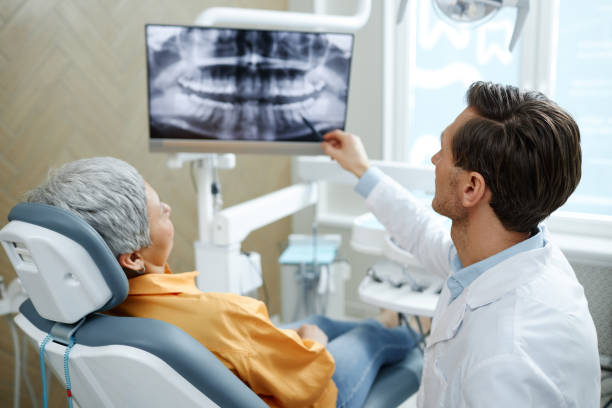
A comprehensive oral assessment is an essential part of determining whether dental implants are appropriate. It involves examining several aspects of your oral health to identify concerns and plan suitable treatment.
1. Examination of Teeth and Gums
The dentist begins by examining your teeth and gums for signs of decay, inflammation, infection, or other dental problems.
Healthy gums are important because the tissues surrounding an implant help protect the underlying bone and support long-term implant health. If gum disease is present, treatment may be recommended before implant surgery.
The dentist may also check the condition of neighbouring teeth to determine whether they need treatment and whether an implant is the most suitable option for replacing the missing tooth.
2. Assessment of Jawbone Structure
Dental implants are placed into the jawbone, which provides the foundation needed to support the replacement teeth. Therefore, the dentist needs to evaluate the available bone volume and its suitability for implant placement.
Dental X-rays may be used to examine the jawbone and nearby anatomical structures. In certain cases, three-dimensional imaging may be recommended to provide more detailed information about bone dimensions and implant positioning.
If the jawbone is not sufficient to support an implant, additional procedures, such as bone grafting, may be considered. The need for these procedures depends on the individual assessment.
3. Review of Bite and Tooth Alignment
Your bite plays an important role in the function and stability of replacement teeth. During the assessment, the dentist may examine how your upper and lower teeth come together and identify areas where excessive pressure could affect an implant restoration.
The position of neighbouring teeth, available space, and overall tooth alignment can also influence the treatment plan.
Considering these factors helps the dentist plan a restoration that supports comfortable chewing and fits appropriately within your existing teeth.
4. Review of Medical and Dental History
Your medical history can influence how dental implant treatment is planned and how healing progresses.
The dentist may ask about existing health conditions, medications, previous dental procedures, allergies, and lifestyle habits such as smoking.
Certain medical conditions or medications may require additional precautions or coordination with your medical practitioner. This does not automatically mean that dental implants are unsuitable, but it is important to evaluate potential risks before treatment begins.
Providing accurate information helps your dentist make appropriate recommendations.
Who Is Suitable for Dental Implant Treatment?
Dental implants may be suitable for adults who have lost one or more teeth and want a stable tooth replacement option. However, suitability varies depending on oral health, bone structure, medical history, and individual circumstances.
Several factors are generally considered during the assessment.
Healthy Gums and Adequate Bone
Healthy gum tissues and sufficient jawbone are important for supporting dental implants. Patients with gum disease may need treatment before proceeding, while those with reduced bone volume may require additional procedures.
Overall Health and Healing
The dentist considers whether any medical conditions, medications, or lifestyle factors could affect healing. Smoking, for example, can increase the risk of complications and may reduce the likelihood of successful healing.
Commitment to Oral Hygiene
Dental implants require regular cleaning and professional monitoring. Patients should be willing to maintain daily oral hygiene and attend follow-up appointments to protect the surrounding gums and bone.
A comprehensive assessment helps determine whether implants are appropriate or whether alternatives, such as dental bridges or removable dentures, should be considered.
Understanding the Dental Implant Treatment Plan
After completing the oral assessment, the dentist explains the recommended treatment approach. This plan should reflect the number of missing teeth, the condition of the jawbone, and the patient’s functional and aesthetic needs.
Single and Multiple Dental Implants
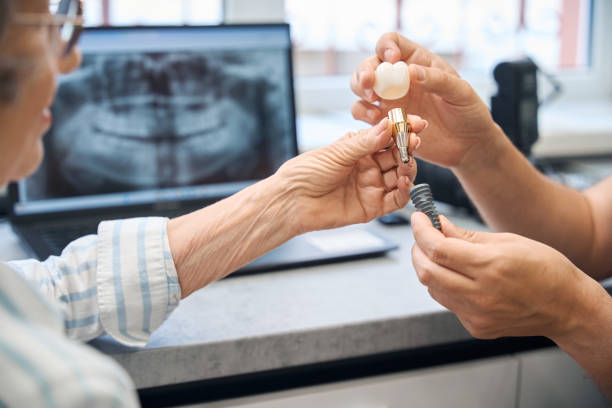
A single implant may support an individual crown, while multiple implants may support several replacement teeth or an implant-supported bridge.
For patients missing most or all teeth in an arch, implant-supported dentures or full-arch restorations may be possible options. The most suitable approach depends on clinical findings and individual preferences.
Additional Procedures Before Implant Placement
Some patients require preparatory treatment, such as tooth extraction, gum disease management, or bone grafting.
These procedures may extend the overall treatment timeline, so it is important to discuss them during the consultation. Your dentist should explain why each procedure is recommended and whether alternative approaches are available.
Expected Treatment Timeline
Dental implant treatment often takes several months because the implant may need time to integrate with the jawbone before the final restoration is fitted.
The timeline varies according to healing, bone quality, and whether additional procedures are required. Your dentist can provide an estimated schedule based on your specific circumstances.
What Questions Should You Ask During Your Consultation?
Preparing questions before your appointment can help you understand your options and make an informed decision.
Consider asking:
- Am I a suitable candidate for dental implants?
- What treatment options are available for my missing teeth?
- Will I need bone grafting or other preparatory procedures?
- What are the possible risks and complications?
- How long will the treatment and healing process take?
- What is included in the total treatment cost?
- How should I care for my implants after treatment?
- What follow-up appointments will be required?
A good consultation should give you enough information to understand the proposed treatment without feeling pressured to make an immediate decision.
How Much Does a Dental Implant Consultation Cost?
The cost of a dental implant consultation varies depending on the dental practice, location, and services included in the appointment.
Some consultations may involve a clinical examination and discussion of treatment options, while others may include diagnostic imaging or additional assessments. These services may be charged separately.
Before booking, ask whether the consultation fee includes X-rays, three-dimensional scans, a written treatment plan, and a cost estimate.
It is also helpful to request an itemised breakdown of the anticipated treatment expenses. This can include implant placement, replacement teeth, preparatory procedures, temporary restorations, and follow-up care.
Understanding the costs early can help you plan your budget and compare treatment options more effectively.
How to Prepare for Your Dental Implant Consultation
A little preparation can make your appointment more productive.
- Bring a list of current medications and relevant medical conditions.
- Share details of previous dental treatments and any ongoing oral health concerns.
- Bring recent dental records or imaging if they are available.
- Write down questions about treatment, recovery, costs, and maintenance.
- Explain your expectations regarding the appearance and function of your replacement teeth.
Be open about any concerns you have, including dental anxiety, financial limitations, or previous difficulties with dental treatment. This information can help your dentist discuss suitable options and plan your care more effectively.
Maintaining Oral Health After Dental Implant Treatment
A comprehensive consultation establishes the foundation for treatment, but long-term maintenance is equally important.
After implant placement and restoration, brush twice daily with fluoride toothpaste and clean between your teeth every day. Your dentist may recommend specialised brushes or other cleaning tools for the areas around your implant-supported teeth.
Attend regular dental examinations and professional cleaning appointments so that the health of the surrounding gums and bone can be monitored.
Seek dental advice if you notice persistent discomfort, swelling, bleeding, or movement around an implant. Early assessment can help identify complications and determine whether treatment is required.
Although dental implants cannot develop tooth decay, the surrounding tissues can still become inflamed or infected.
Conclusion
A consultation for dental implants with a comprehensive oral assessment is an important first step towards replacing missing teeth. By examining the teeth, gums, jawbone, bite, and relevant medical history, a dentist can determine whether implant treatment is suitable and identify any additional care that may be needed.
A detailed consultation also provides an opportunity to discuss treatment options, costs, potential risks, and expected recovery times. This information helps patients make decisions based on their individual oral health needs and personal circumstances.
Before proceeding with treatment, arrange a professional assessment, ask questions, and ensure you understand the proposed plan. With appropriate planning, good oral hygiene, and regular follow-up care, dental implants can offer a durable and functional solution for many people with missing teeth.