

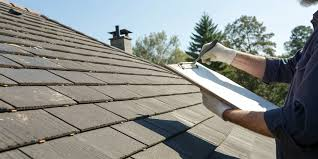
A roof problem can make a home feel stressful very quickly, especially during heavy rain or strong winds. Loose shingles, damaged flashing, and fallen branches can let water reach the attic, ceilings, and walls before anyone expects it. A calm plan helps homeowners protect the house while waiting for proper repairs.
A practical checklist keeps each step clear without creating panic. When the damage looks active or water has entered the home, a trusted roof repair contractor in North Jersey can inspect the roof, control the leak, and recommend the right repair.
Keep Safety First
Family safety should come before any roof concern, since wet ceilings and damp electrical areas need careful attention. Move people, pets, and valuables away from dripping spots, sagging drywall, and rooms where water has reached outlets or fixtures. This simple step gives the household a safer space while the roof issue gets handled.
Buckets, towels, and plastic sheets can help manage water inside the home until help arrives. Electrical items should stay away from damp areas, and any room with ceiling issues should be treated with extra care. A steady approach makes the situation easier to manage without rushing into risky choices.
Check The Damage From The Ground
A ground-level check can reveal useful signs without putting anyone on the roof. Missing shingles, bent flashing, loose gutters, and fallen limbs all help explain what may have caused the leak. Clear photos from the yard, driveway, or nearby window can support the repair visit.
North Jersey storms can scatter damage across more than one part of the roof, so several angles are helpful. Photos of indoor stains, attic drips, and outside roof sections give the roofer a better starting point. These details also make insurance notes easier to organize.
Call A Local Roofing Specialist
A local roofing professional understands regional weather, common roof styles, and leak-prone areas. Clear details about the leak location, storm timing, and visible damage help the contractor respond with the right tools. The first call should cover emergency tarping, inspection timing, and likely repair needs.
A North Jersey roofing specialist can also check spots that homeowners may overlook, such as chimney flashing, vent boots, valleys, and gutter edges. Small openings in these areas can send water far from the original entry point. A careful inspection helps connect the inside leak with the outside damage.
Protect The Interior
Interior protection matters because water can move through insulation, drywall, trim, and flooring. Furniture, electronics, rugs, and stored boxes should be moved away from the leak path as soon as the area is safe. Containers under steady drips can limit damage while towels control smaller wet spots.
Many North Jersey homes have attic spaces where damp insulation can hold moisture after a storm. Notes about wet smells, stains, and drip locations can help the roofer trace the leak. The sooner the inside area is protected, the easier cleanup and repair planning become.
Emergency roof repairs feel easier when each step connects naturally to the next.
A reliable roof repair contractor in North Jersey can inspect the damage, control the leak, and guide the repair process with practical advice. Safety, clear photos, interior protection, and organized notes all help the visit go smoothly. North Jersey homeowners can handle sudden roof trouble with less stress when a simple checklist is ready.
read more : Mistakes To Avoid When Scheduling Residential Roof Repair In Mentor