

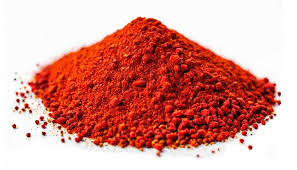
As the food industry continues shifting toward clean-label and plant-based ingredients, natural food colors are becoming increasingly important in product development. Consumers today want foods that not only look attractive but also contain recognizable and naturally derived ingredients. Among the many natural color solutions available, annatto food color has emerged as one of the most widely used and trusted options for creating vibrant yellow and orange shades.
Used for centuries in traditional cooking and now extensively adopted in modern food manufacturing, annatto has become a key ingredient across dairy, snacks, bakery, beverages, and processed foods.
What Is Annatto Food Color?
Annatto is a natural food coloring derived from the seeds of the achiote tree (Bixa orellana), a tropical plant native to Central and South America.
The seeds contain natural pigments known as:
- Bixin – oil-soluble pigment
- Norbixin – water-soluble pigment
These pigments produce shades ranging from yellow and golden orange to deeper reddish-orange tones depending on formulation and concentration.
Because of its natural origin and versatility, annatto is widely used as an alternative to synthetic yellow and orange dyes.
Why Annatto Food Color Is So Popular
The growing demand for annatto food color is driven by several important industry and consumer trends.
Clean-Label Demand
Consumers increasingly prefer natural ingredients that are familiar and easy to understand on product labels.
Replacement for Artificial Colors
Many food manufacturers are replacing synthetic yellow and orange dyes with annatto-based alternatives to align with clean-label expectations.
Wide Application Compatibility
Annatto works effectively across dairy, bakery, snacks, sauces, and beverages.
Plant-Based Ingredient Appeal
Since annatto is plant-derived, it supports vegan, vegetarian, and natural product positioning.
Strong Color Performance
Annatto provides vibrant shades even at relatively low usage levels, making it commercially attractive for food manufacturers.
Shades Produced by Annatto Food Color
One of annatto’s biggest advantages is its flexibility in producing multiple shades.
Depending on formulation and concentration, annatto can create:
- Light yellow
- Golden yellow
- Orange-yellow
- Deep orange
- Reddish-orange
This versatility makes it suitable for a broad range of food applications.
Applications of Annatto Food Color
Annatto food color is widely used across the global food industry due to its adaptability and visual appeal.
Dairy Products
Annatto is especially popular in cheese production and is commonly used in:
- Cheddar cheese
- Butter
- Margarine
- Yogurt
- Ice cream
It helps create the familiar warm yellow-orange tones consumers expect.
Snack Foods
Chips, extruded snacks, popcorn seasonings, and savory coatings often use annatto for rich orange shades.
Bakery and Confectionery
Cakes, fillings, candies, frostings, and decorative toppings benefit from annatto’s vibrant coloring properties.
Sauces and Ready Meals
Soups, sauces, rice products, and processed foods use annatto to improve visual appeal and consistency.
Beverages
Certain beverages and flavored drinks incorporate annatto-based color systems for natural orange-yellow shades.
Benefits of Annatto Food Color
Natural Origin
Annatto is derived from plant seeds, making it highly attractive for clean-label products.
Consumer Acceptance
Consumers often associate natural colors with healthier and safer food products.
Versatility
Its oil-soluble and water-soluble forms allow usage across multiple food systems.
Strong Coloring Ability
Annatto delivers bright shades with relatively low usage levels.
Compatibility with Vegan Products
Being plant-based, annatto is suitable for vegetarian and vegan formulations.
Challenges of Using Annatto Food Color
Although annatto offers many advantages, manufacturers must also manage certain formulation challenges.
Light Sensitivity
Exposure to light can gradually reduce color intensity over time.
Heat Stability
High processing temperatures may affect shade consistency in some applications.
pH Sensitivity
Certain formulations may experience color variation depending on acidity levels.
Raw Material Variability
Since annatto is naturally sourced, pigment intensity may vary between harvests.
To address these challenges, manufacturers use advanced stabilization techniques and carefully controlled extraction processes.
Oil-Soluble vs Water-Soluble Annatto
Annatto food color is available in two main forms depending on the application.
Oil-Soluble Annatto (Bixin)
Used in fat-based products such as cheese, butter, margarine, and bakery products.
Water-Soluble Annatto (Norbixin)
Used in beverages, sauces, dairy drinks, and water-based food systems.
Choosing the right form is essential for achieving optimal performance and stability.
The Role of Food Color Manufacturers
Natural food color manufacturers continue investing in annatto technology to improve functionality and application flexibility. Their work focuses on:
- Enhancing color stability
- Improving shelf life
- Creating customized shade solutions
- Developing heat-resistant formulations
- Meeting international food safety standards
Advancements in extraction and formulation science are helping annatto remain one of the most commercially successful natural food colors worldwide.
Future of Annatto Food Color
The future of annatto food color looks highly promising as global demand for natural ingredients continues growing.
Food brands are increasingly reformulating products to eliminate artificial additives while maintaining visual appeal. Annatto’s versatility, natural origin, and strong coloring ability make it well-positioned for continued growth in the clean-label market.
As food technology advances, improved stabilization methods and sustainable sourcing practices are expected to further strengthen annatto’s role in the food industry.
Final Thoughts
Annatto food color has become one of the most important natural pigments used in modern food manufacturing. Its ability to deliver vibrant yellow-to-orange shades while supporting clean-label trends makes it a preferred choice for brands worldwide.
From cheese and snacks to bakery and beverages, annatto continues to help manufacturers create visually appealing products using naturally derived ingredients.
While formulation challenges such as light and heat sensitivity still exist, continuous innovation is making annatto more stable, versatile, and commercially effective than ever before. In today’s evolving food landscape, annatto food color represents the perfect blend of tradition, functionality, and consumer trust.