

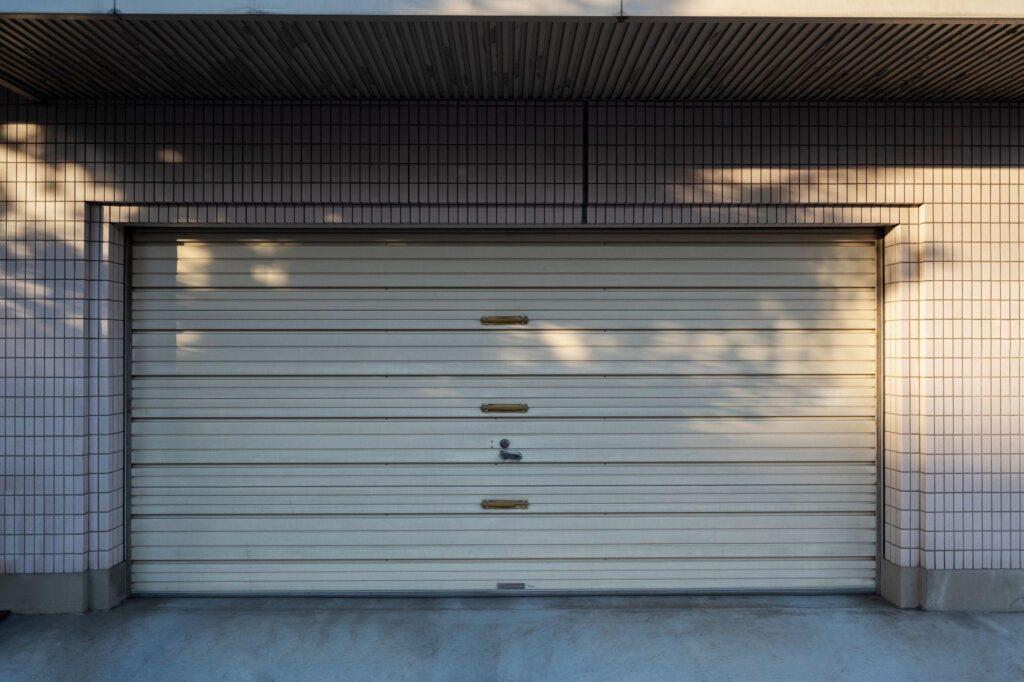
Replacing a garage door is often viewed as a straightforward home improvement project, but many homeowners quickly realise there is more involved than simply choosing a new design. As they begin comparing options for garage doors Melbourne, they often discover that installation, functionality, materials, and long-term maintenance all deserve careful consideration. A garage door is one of the largest moving components in a home, making it an important investment that influences security, convenience, energy efficiency, and curb appeal. Understanding the details before work begins can help avoid unexpected challenges later in the project.
It’s Not Just About Choosing a Style
The appearance of a garage door naturally attracts attention, but design is only one part of the decision-making process.
Homeowners should also evaluate:
- Structural compatibility
- Daily functionality
- Material durability
- Insulation performance
- Security features
- Maintenance requirements
Looking beyond aesthetics helps ensure the new door performs as well as it looks.
Accurate Measurements Make a Difference
One of the most overlooked aspects of garage door replacement is obtaining precise measurements.
Even small inaccuracies can affect installation and operation.
Professionals typically assess:
- Opening width
- Opening height
- Headroom clearance
- Side room availability
- Ceiling space
- Track positioning
Taking accurate measurements before ordering a new door helps minimise delays and installation complications.
The Existing Hardware May Need Attention
Many homeowners expect only the door itself to be replaced.
However, installers often inspect additional components to determine whether they remain suitable for continued use.
These may include:
- Tracks
- Rollers
- Hinges
- Springs
- Mounting brackets
- Weather seals
Replacing worn hardware at the same time can improve reliability and help support smooth operation over the long term.
Material Selection Affects More Than Appearance
Garage doors are available in a range of materials, each offering different characteristics.
Common options include:
- Steel
- Aluminium
- Composite materials
- Timber-look finishes
Beyond visual appeal, material choice influences durability, maintenance requirements, resistance to weather, and overall lifespan.
Selecting a material appropriate for the local climate and household needs can improve long-term satisfaction.
Insulation Is Often Considered Late
Many homeowners only begin thinking about insulation after discussing installation with their contractor.
An insulated garage door may help:
- Improve temperature stability
- Reduce outside noise
- Enhance comfort in adjoining rooms
- Support overall energy efficiency
This can be particularly beneficial when the garage shares walls with living areas or is used as a workspace.
Automation Features Continue to Evolve
Modern garage doors often include technology that enhances convenience and security.
Homeowners may choose features such as:
- Remote controls
- Smartphone operation
- Automatic closing functions
- Safety sensors
- Quiet drive systems
Considering these options during the planning stage makes it easier to integrate them into the overall installation.
Security Deserves Equal Attention
Because garages frequently provide direct access to the home, security should remain a priority throughout the replacement process.
Modern systems may incorporate:
- Reinforced locking mechanisms
- Rolling-code remote technology
- Tamper-resistant components
- Automatic locking features
- Backup manual operation
These additions help improve peace of mind while protecting both vehicles and household belongings.
Installation Quality Matters
Even a high-quality garage door can experience problems if it is not installed correctly.
Professional installation helps ensure:
- Proper alignment
- Smooth operation
- Correct spring tension
- Reliable safety system performance
- Manufacturer warranty compliance
Experienced installers also identify any structural issues that may need to be addressed before fitting the new door.
Future Maintenance Should Be Considered
A new garage door is a long-term investment, making ongoing maintenance an important consideration.
Routine care may include:
- Cleaning exterior surfaces
- Lubricating moving parts
- Inspecting weather seals
- Testing safety features
- Scheduling professional servicing
Following recommended maintenance practices helps preserve both appearance and performance throughout the door’s lifespan.
Planning Ahead Helps Avoid Delays
Many replacement projects proceed more smoothly when homeowners prepare in advance.
Useful planning steps include:
- Comparing multiple products
- Reviewing warranty coverage
- Confirming installation timelines
- Discussing access requirements
- Understanding maintenance expectations
Taking time to organise these details helps reduce surprises during the installation process.
Final Thoughts
Replacing a garage door involves far more than selecting a design that complements the home’s exterior. From accurate measurements and hardware compatibility to insulation, security, automation, and long-term maintenance, there are numerous factors that homeowners often overlook until the project is already underway.
By planning carefully, asking informed questions, and working with experienced professionals, homeowners can make confident decisions that enhance both the appearance and functionality of their property. A well-chosen and properly installed garage door provides lasting value, reliable performance, and improved curb appeal for many years to come.