

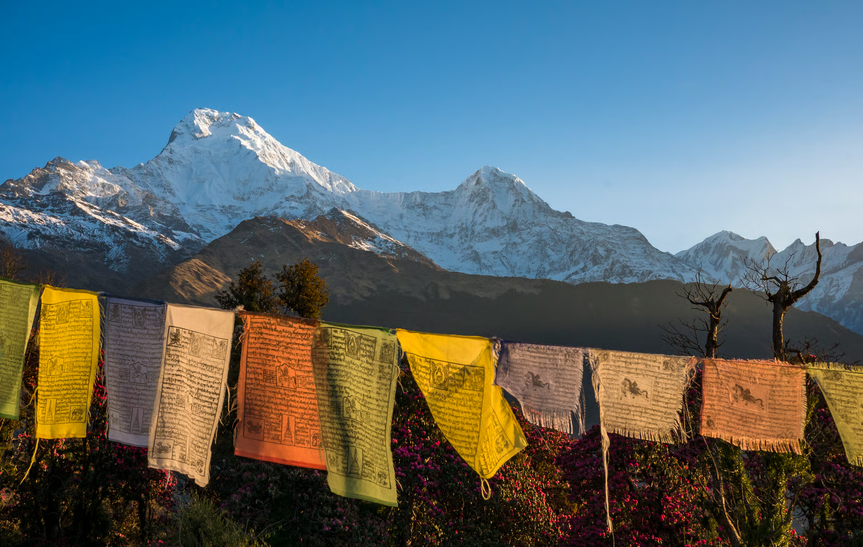
The Annapurna Base Camp Trek in 7 Days is a question many travelers ask when they have limited time but still want to experience one of Nepal’s most rewarding trekking routes. The time it typically takes to complete the trek is 9 to 12 days, but in seven days, with careful preparation, fitness and transportation, it is possible. But this condensed program has its disadvantages, too, which anyone taking the trip should consider first.
The 7-day plan helps to minimize walking days by using road transportation to get to the trailhead and by walking longer distances per day. This will take you to Annapurna Base Camp in 7 days, but you will have to spend more time on the trail and have less time for resting and sightseeing in nearby villages. Knowing the pros and cons will help you determine if this type of schedule is the best option.
Is the Annapurna Base Camp Trek in 7 Days Really Possible?
Sure, many people can accomplish the Annapurna Base Camp Trek in 7 days, but not everyone. Most of the short treks start from Pokhara to Jhinu Danda or Siwai, bypassing Nayapul, where trekkers will have to walk for several days. This considerably reduces the total trek but maintains the famous path to the base camp.
The route heads up to Annapurna Base Camp at 4130m (13550ft) through scenic forests, Gurung villages and alpine scenery. The trail ascends rapidly over a short period of time, so trekkers must take their time and keep their pace steady, allowing them to adjust accordingly to the altitude.
Typical 7 Day Annapurna Base Camp Trek Itinerary
A 7 Day Annapurna Base Camp Trek generally starts with a drive from Pokhara to Jhinu Danda or Siwai. Then trekkers start to walk to Chhomrong and then on to the trekking routes going through Bamboo, Dovan, Himalaya and Deurali. Then the person climbs to the base camp of Machhapuchhre at 3700 m (12139 ft) and the next day, it reaches Annapurna Base Camp.
On the way back to Bamboo or Sinuwa, they will enjoy the sunrise from the base camp and then head back down to Jhinu Danda, which is usually the same trail. A few days of trekking, unwinding in the natural hot springs are always a part of the trek before heading back to Pokhara. Each day has longer walking hours, but the route is well marked and has tea houses.
How Difficult Is the Short Annapurna Base Camp Trek?
The Short Annapurna Base Camp trek is moderately difficult. It’s still roughly the same distance as longer routes, but is made up of fewer trekking days, which can result in a longer day of walking, sometimes six to eight hours. It has thousands of stone steps, continuous ascents and steep descents, which demand much stamina.
Another key factor is the elevation. Although the base camp of Annapurna is lower than Everest Base Camp, some trekkers might still face symptoms of altitude while trekking to higher areas. Drinking plenty of fluids, walking at a comfortable speed and not rushing about can help minimize risk.
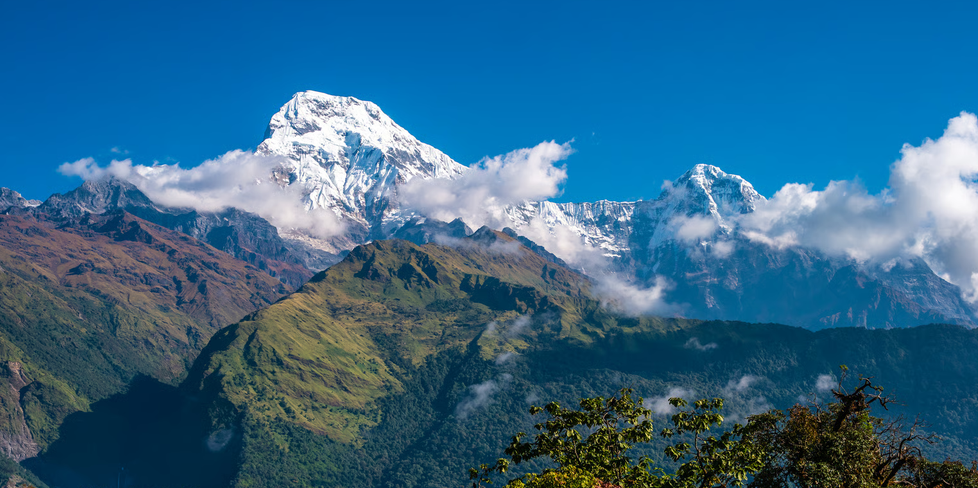
Who Should Choose This Itinerary?
The Annapurna Base Camp Trek in 7 Days is ideal for trekkers who have experience in a multi-day trek or have a good level of fitness. This tour is popular for people who have less vacation time to dedicate to the Annapurna area and can still enjoy it without having to take two weeks off from their job or family.
This schedule might not be the most suitable for beginner trekkers who have not trekked at high elevation before. People who like a more leisurely trip and take time to visit the villages or simply take in the scenery may appreciate a more leisurely trip over a fast-paced one.
What Are the Main Challenges?
This 7 Day Annapurna Base Camp Trek is a physically demanding trek and requires constant exertion during the trek. Each day is a longer distance, less flexibility if it changes weather or if someone has to get more rest. Heavy rain or landslides during the monsoon season can cause delays in access to and from the trailhead.
A far more difficult task is fatigue. Long trekking can get exhausting and on the down slope, knees and leg muscles take a further pounding. If you do some treks, cardio and strength training before you arrive in Nepal, you will find it easier to cope with the journey.
Best Time for the Annapurna Base Camp Trek in 7 Days
The best time to do the Annapurna Base Camp Trek in 7 days is during the spring (March-May) or autumn (September-November). The weather is typically settled, temperatures moderate and mountain views are good during these seasons. Rhododendron forests are spring-flowering and autumn can be great with good viewing after the monsoon rains.
Experienced trekkers can also come during the winter months (Dec-Feb), but snow can make higher parts of the trail more difficult. June-July-August is the time of the year when rain is common, roads are muddy and leeches are present in lower forests and occasionally disrupt transportation.
Accommodation and Meals Along the Route
The Short Annapurna Base Camp Trek starts from Kathmandu and goes through a variety of tea house lodging, which simplifies the lodging throughout the trek. The rooms are generally simple and good, with twin beds, blankets and communal toilets. The facilities get tougher to use the higher you get up, but are still adequate for overnight accommodation.
Typical Nepali dishes served at meals include dal bhat (a staple meal in Nepal), fried rice, noodles, pasta, soups, potatoes, eggs, pancakes, porridge and hot drinks. If you are going to walk for many hours between villages and there are no food stops, it is convenient to have a few energy bars and snacks on hand.
Permits Required
For anyone who is planning to do the Annapurna Base Camp Trek in 7 days, they have to obtain the necessary permits before they begin the trek. Trekkers must have an Annapurna Conservation Area Permit (ACAP). Also, depending on the most recent government rules, further registration needs might be required, so please be sure to check up-to-date permit rules before travelling.
It’s important to keep permits and identification handy all the way and to expect checkpoints every so often along the trail.
Tips for Successfully Completing the Trek
With proper preparations, the 7-Day Annapurna Base Camp Trek becomes more enjoyable. Increasing stamina by walking, stepping on stairs or hiking regularly before entering Nepal will help to minimize discomfort during the trek. Packing only essential items will make long walking days easier, as it makes your backpack lighter.
Early morning starts give time to make it to the next stop before the afternoon weather turns. Additional steps for a safe and enjoyable trek include drinking plenty of water, eating a balanced meal and listening to your guide, if trekking with one.
Is Seven Days the Right Choice?
For those with a short time and still want to stand under the impressive peaks of Annapurna Sanctuary, the Annapurna Base Camp Trek in 7 Days is the best option. It offers the same incredible destination as longer treks, but travel time and daily treks are minimized.
If you have time, however, an extra day or two will make your experience more relaxed and give you more time to acclimatize and enjoy the mountain villages. A slightly slower pace also reduces physical strain and helps to create a bit of flexibility in the event of unforeseen weather conditions.
Conclusion
Annapurna Base Camp Trek in 7 Days is very possible for trekkers who are physically fit and are comfortable walking for several days. You can reach Annapurna Base Camp in just a week, at 4130 m (13550 ft), if you have the will and the planning and if you have sensible expectations. Many trekkers make this trip every year.
This schedule is a good choice before you honestly evaluate your fitness level, past trekking experience and the amount of time you have. For those seeking an adrenaline rush, the trek provides stunning views of the Himalayas, charming mountain hamlets, lush woods and ultimately an experience to remember for a lifetime.