

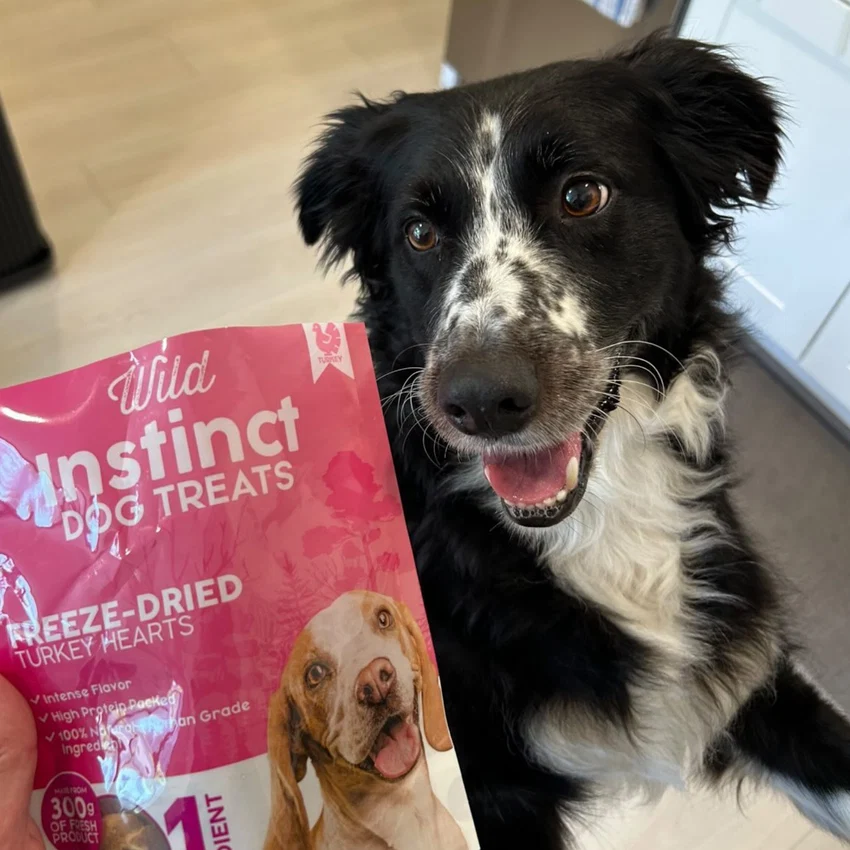
Beef liver can be a nutritious addition to a dog’s diet, offering naturally occurring vitamins, minerals, protein, and other nutrients. Still, not every liver product is made the same way. Pet owners who buy beef liver for dogs should check the ingredient list, sourcing, preparation method, freshness, and feeding guidance before choosing a product. A simple, quality-focused option can make liver a useful occasional treat or meal topper. Wild Instinct Pet offers animal-based pet nutrition products that may suit owners who prefer straightforward ingredients. Understanding what to look for can help you choose beef liver that fits your dog’s diet without adding unnecessary ingredients or excessive portions.
Why Beef Liver Is Used in Dog Diets
Beef liver is an organ meat naturally packed with nutrients. It contains protein along with vitamin A, several B vitamins, iron, copper, and other minerals. These nutrients support normal body functions, including energy metabolism, blood health, and immune function. Liver is also highly palatable for many dogs. A small amount can be mixed into regular food, used as a training reward, or included as part of a balanced raw or gently prepared diet.
Its nutritional density is also the reason portion size matters. Liver should generally be treated as an organ-meat component rather than the main ingredient in a dog’s meals. Feeding excessive amounts regularly can provide too much vitamin A and certain minerals. For that reason, pet owners should consider beef liver as part of an overall feeding plan rather than assuming that more liver means more nutrition.
What to Check Before Buying Beef Liver
The quality of the product starts with the source. Before you buy beef liver for dogs, check where the liver comes from and how it has been handled. Look for clear information about the animal source and processing method. A trustworthy pet food company should make it reasonably easy to understand what is inside the package and how the product should be stored and served.
Fresh or frozen beef liver should have appropriate storage instructions. Freeze-dried products should also come with clear directions for keeping the food fresh after opening. Pay attention to the ingredient list. A product made primarily from beef liver should not need a long list of unnecessary fillers, artificial flavors, or unrelated ingredients. Simple labels make it easier for owners to understand what they are feeding. Wild Instinct Pet focuses on animal-based pet nutrition, giving owners another option to consider when comparing organ-meat products for their dogs.
Look for Simple, Clearly Listed Ingredients
A short ingredient list is often easier to evaluate. If the product is advertised as beef liver, the label should clearly identify beef liver rather than relying on vague descriptions such as “meat ingredients.” Some products may contain additional ingredients for flavour, texture, preservation, or nutritional purposes. Those additions are not automatically a problem, but owners should know what they are buying. Dogs with known food sensitivities may require extra attention to ingredient lists. A product containing only one animal ingredient can make it easier to identify potential dietary triggers than a product containing several meats and additives.
The form of the product matters too. Freeze-dried liver, frozen liver, dehydrated liver, and cooked liver can have different storage and serving requirements. Always follow the manufacturer’s instructions rather than treating every form as interchangeable.
Consider How the Liver Was Processed
Processing affects convenience, shelf life, texture, and how the product is used. Frozen beef liver needs freezer space and careful handling. It may be suitable for owners who already prepare fresh or raw ingredients at home. Freeze-dried liver is easier to store and can be convenient for travel or training.
Dehydrated liver may also work well as a treat, depending on how it has been prepared. The important detail is to understand what the processing method does to the product and follow the feeding directions provided. Wild Instinct Pet products can be considered alongside other options by checking the specific product label, preparation method, and storage instructions rather than choosing based on the name alone.
Portion Size Matters More Than Many Owners Realise
Liver is nutrient-dense, so it should not simply be added to a dog’s bowl in large quantities. The appropriate amount depends on the dog’s size, existing diet, age, health, and how much other organ meat is already included in its food. Treats and toppers should also be considered within the dog’s overall daily intake. A dog eating a complete and balanced commercial food may have different nutritional needs from a dog eating a carefully formulated homemade diet. For specific feeding amounts, follow the product’s directions and speak with a veterinarian or qualified veterinary nutrition professional when needed. This is particularly useful for puppies, senior dogs, dogs with medical conditions, or dogs already eating a specialised diet.
Frozen, Fresh, or Freeze-Dried: Which Form Works Best?
There is no single format that suits every household. Each option has practical advantages.
Fresh or frozen beef liver:
This can be useful for owners preparing meals at home, but it requires careful refrigeration or freezing and hygienic handling.
Freeze-dried beef liver:
It is lightweight, convenient to store, and often easy to break into small pieces. It can work particularly well as a topper or training treat.
Dehydrated beef liver:
This format is convenient and may have a firmer texture. Storage instructions should be followed closely to maintain freshness.
The best choice is usually the one that fits the dog’s diet and the owner’s ability to store and portion it correctly.
Safety and Handling Should Be Part of the Decision
Good handling practices matter with any animal-based food. Fresh and frozen liver should be kept at the appropriate temperature, while freeze-dried and dehydrated products should be stored according to their packaging. Wash hands, bowls, utensils, and preparation surfaces after handling raw animal products. Avoid leaving perishable food at room temperature for extended periods.
Owners should also introduce new foods gradually. A sudden dietary change can cause digestive upset, even when the ingredient itself is suitable for dogs. Start with a small amount and observe how the dog responds. Dogs that develop persistent vomiting, diarrhoea, itching, or other unusual symptoms after eating a new food should be assessed by a veterinarian.
Quality Matters More Than a Bargain Price
A very low price may look attractive, but it should not be the only deciding factor. Compare the amount of actual liver in the package, sourcing information, processing method, storage requirements, and ingredient list. A product with clear labelling and straightforward feeding guidance can make portion control easier. It also gives pet owners more confidence about what they are adding to their dog’s diet. Wild Instinct Pet is one brand pet owners can review when comparing animal-based treats and food ingredients. Checking individual product information is still essential because preparation and feeding recommendations can vary between products.
How to Add Beef Liver to Your Dog’s Routine
Beef liver does not have to replace your dog’s regular food. Small portions can be used as a topper, occasional treat, or ingredient within an appropriately balanced diet. For training, tiny pieces of freeze-dried or dehydrated liver can be useful because they are easy to portion. For meals, a measured amount can be mixed with regular food.
The goal should be moderation and nutritional balance. Dogs need a range of nutrients, and no single ingredient can provide everything they require. A complete and balanced diet should remain the foundation of their daily meals. Owners following homemade or raw feeding plans should work from a properly formulated recipe rather than adding organ meats based on guesswork.
Questions to Ask Before You Buy
A few simple checks can make shopping easier:
- Is the product clearly labelled as beef liver?
- Is the animal source identified?
- Are the ingredients easy to understand?
- How was the liver processed?
- Does the packaging provide storage instructions?
- Is there clear feeding guidance?
- Does the product fit the dog’s existing diet?
- Can the product be portioned easily?
These questions help shift the focus from attractive packaging to the details that actually affect how the food will be used.
A Thoughtful Choice for Your Dog’s Diet
Beef liver can be a useful addition to a dog’s feeding routine, particularly when it is sourced carefully and offered in sensible portions. The right product should have clear ingredients, suitable processing, practical storage instructions, and feeding guidance that helps owners avoid overfeeding. Pet owners who plan to buy beef liver for dogs should take a few minutes to compare products instead of choosing solely by price. A straightforward ingredient list and reliable product information can make the decision much easier.Wild Instinct Pet provides animal-based options worth exploring for owners who want to add nutrient-rich foods and treats to their dogs’ routines. Visit Wild Instinct Pet today to explore available beef liver products and find an option that fits your dog’s diet and feeding routine.