
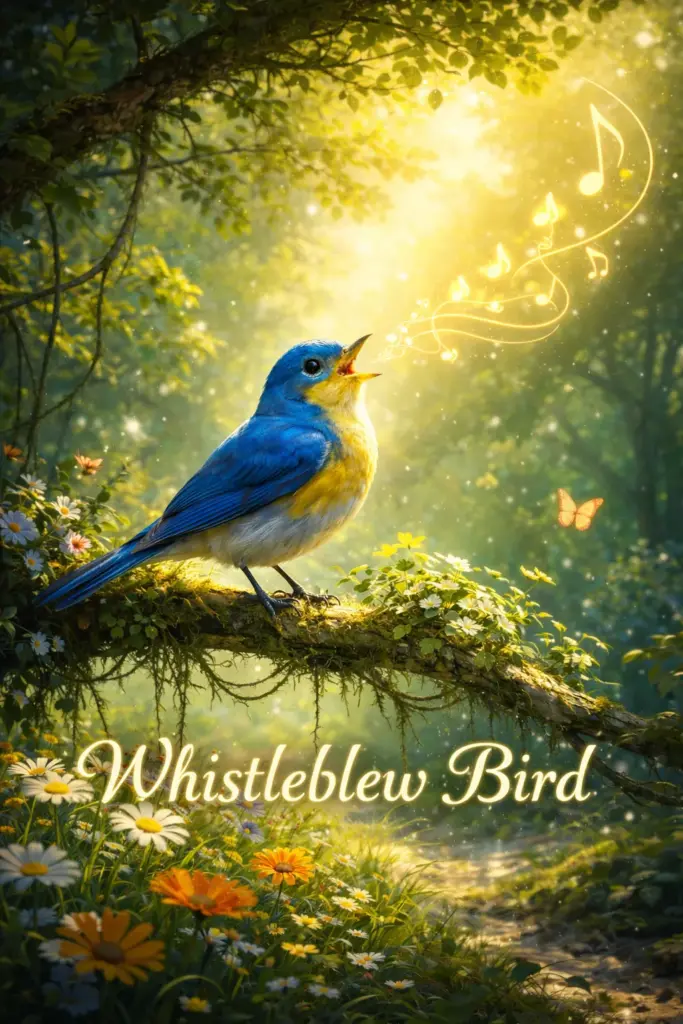
The term Whistleblew Bird is referenced in folklore discussions, and creative writing circles. Many readers search for it expecting a rare species, yet the phrase connects more strongly with sound symbolism and language evolution than with a formally classified bird species.
“Whistleblew” combines two sound-based ideas:
- Whistle — a sharp musical call produced through air movement
- Blew — past tense of blow, linked with wind or breath
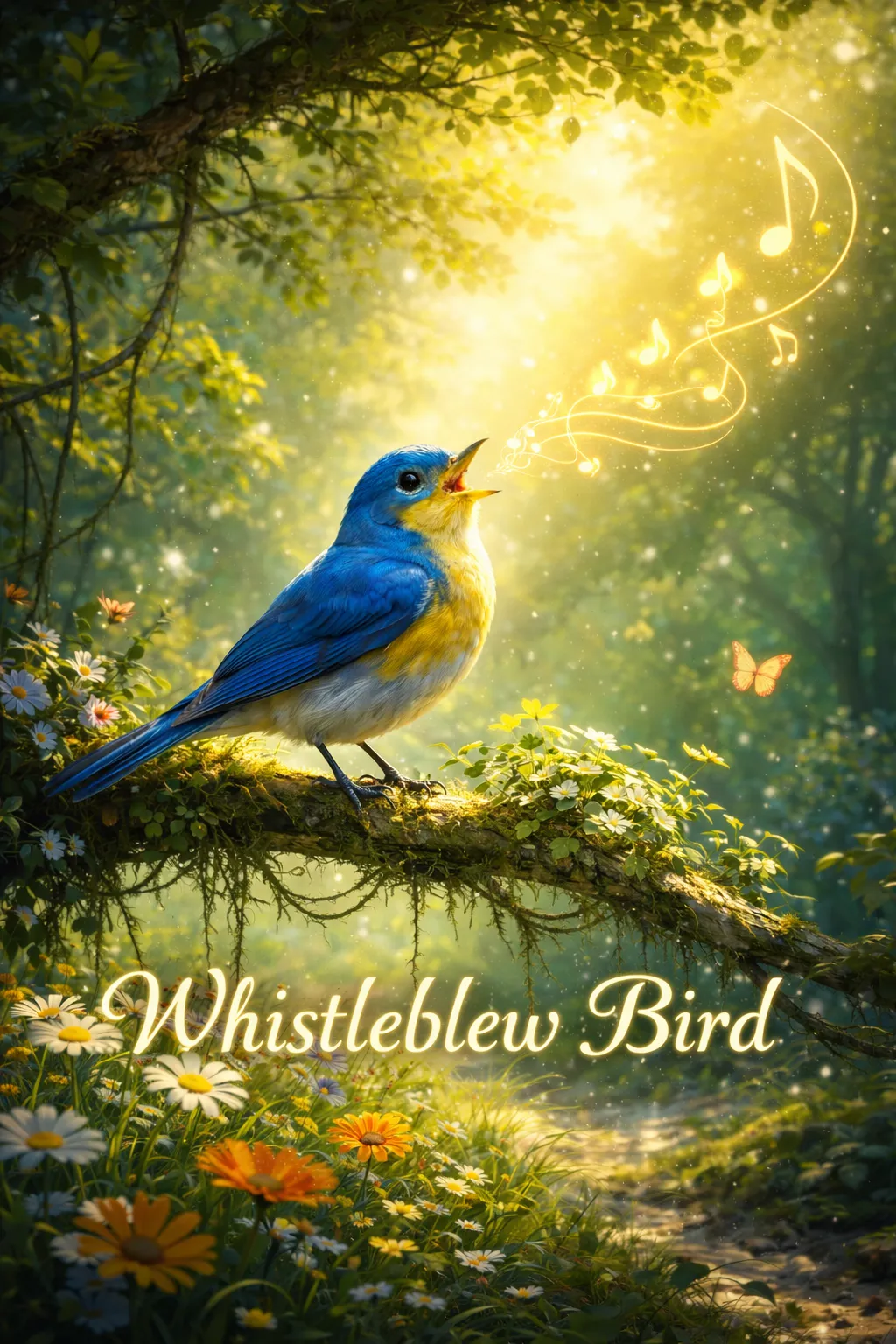
Together, the phrase paints a vivid image of a bird whose call carries across open landscapes. Writers and storytellers have long used sound-inspired naming to describe birds whose songs echo through forests, wetlands, or coastal regions.
Rather than referring to one scientifically listed species, the name functions as a descriptive or poetic label connected to birds famous for whistling calls.
Possible Birds Linked With the Whistleblew Name
Several birds match the sound imagery suggested by “Whistleblew.” These species share clear, flute-like vocalizations.
Birds commonly connected with the term
- Australian Magpie – produces melodic whistles resembling musical notes
- Northern Cardinal – delivers clear repeated whistles heard at dawn
- Whistling Duck – famous for high-pitched calls rather than quacks
- Hermit Thrush – creates echoing tones described as ethereal
- Blackbird species – many produce wind-like melodic sounds
Writers may adopt “Whistleblew Bird” as a creative nickname for any bird whose call feels airy and musical.
Sound Characteristics That Define a Whistleblew Bird
Birdsong experts classify calls through pitch, rhythm, and tonal clarity. A bird linked with the whistleblew concept usually shows these traits:
- Pure whistling tones instead of harsh chirps
- Long notes carried through open air
- Repeated melodic patterns
- Calls heard during early morning or evening hours
- Strong projection across distance
Birds create whistles using a specialized vocal organ called the syrinx, allowing two notes at once. This natural ability gives many species a flute-like sound that inspires imaginative names.
Elements Associated With a “Whistleblew Bird”
| Description | Listener Experience | |
| Vocal Tone | Clear and musical | Calm, soothing sound |
| Pitch Range | Medium to high | Easy to hear from afar |
| Rhythm | Repeating phrases | Memorable pattern |
| Habitat | Forest edges, wetlands, gardens | Sound travels freely |
| Active Hours | Dawn and dusk | Strong acoustic clarity |
Folkloric Meaning Behind the Whistleblew Bird
Bird names shaped by sound appear across cultures. People describe birds using the noises they hear rather than scientific labels. Examples appear worldwide:
- English names like “whip-poor-will” imitate calls directly.
- Indigenous traditions link bird whistles with seasonal change.
- Rural communities associate whistling birds with weather shifts.
The whistleblew phrase fits into this tradition. Language evolves through listening experiences, and many informal bird names arise from daily interaction with nature.
In folklore, a whistling bird may symbolize:
- Messages carried by wind
- Transition between day and night
- Calm after rainfall
- Guidance during travel
These meanings vary by region yet share a connection with sound and atmosphere.
Habitat Settings Connected With Whistle-Type Birds
Birds producing strong whistles favor environments where sound travels easily. Dense urban noise reduces acoustic range, while open natural spaces enhance clarity.
Common habitats:
- Woodland edges
- Riverbanks
- Grasslands
- Coastal cliffs
- Large gardens and orchards
Wind movement helps carry sound waves. Listeners may perceive calls as floating through air, reinforcing the imagery suggested by “whistleblew.”
Behavioral Traits
Birds associated with melodic whistling show behavioral patterns linked with communication and territory marking.
Typical behaviors
- Singing from elevated branches
- Calling before sunrise
- Responding to nearby birds through musical exchanges
- Maintaining territory through sound rather than aggression
Male birds frequently whistle to attract mates, though females also vocalize in several species. Seasonal variation affects intensity, with spring producing peak vocal activity.
Differences Between Scientific Names and Descriptive Names
Scientific classification follows strict taxonomy rules. Descriptive names arise from human perception.
Scientific naming focuses on:
- Physical structure
- Genetic relation
- Geographic distribution
Descriptive naming focuses on:
- Sound
- Color impressions
- Behavior noticed by observers
“Whistleblew Bird” belongs firmly within descriptive language rather than taxonomy.
Listening Tips: How to Identify a Whistling Bird
Birdwatchers rely more on ears than eyes. Identifying a whistle-type bird becomes easier through careful listening.
Practical listening steps
- Pause for several minutes in a quiet area
- Notice repeating musical phrases
- Count note patterns
- Observe direction of sound movement
- Watch high branches or open perches
Recording sounds through a phone helps comparison later with bird call libraries.
Seasonal Patterns of Whistling Birds
Bird vocal activity changes across seasons due to mating cycles and daylight length.
- Spring: Strongest singing activity
- Summer: Reduced frequency after nesting
- Autumn: Short territorial calls
- Winter: Minimal singing except in mild climates
Early morning air remains cooler and calmer, allowing sound to travel farther.
Symbolism in Literature and Creative Writing
Writers favor imaginative bird names because sound triggers emotional imagery. The whistleblew concept appears in poetry and descriptive prose as a symbol of movement and atmosphere.
Common literary themes connected with whistling birds:
- Freedom across open skies
- Memory linked with sound
- Quiet reflection in nature
- Passage of time marked by dawn calls
Sound-focused naming helps readers visualize scenes without detailed biological explanation.
Birdwatching Benefits Linked With Listening
Paying attention to bird calls improves awareness of natural surroundings.
Benefits reported by nature observers:
- Reduced stress levels
- Improved concentration
- Stronger connection with outdoor environments
- Enhanced memory through sound recognition
Listening practice transforms casual walks into immersive experiences.
How Environment Shapes Bird Whistles
Sound production interacts with habitat structure.
- Forest birds use slower notes to prevent echo distortion.
- Open-field birds produce longer whistles.
- Wetland species favor sharper tones that cut through humidity.
Natural selection influences vocal style so communication stays effective across terrain.
Habitat vs Sound Style
| Habitat Type | Sound Style | Reason |
| Dense Forest | Slow, spaced notes | Prevent echo overlap |
| Grassland | Long whistles | Wide sound travel |
| Wetlands | Sharp tones | Moist air absorption |
| Urban Parks | Short phrases | Compete with noise |
Role of Whistling Birds in Ecosystems
Birdsong serves more than aesthetic pleasure. It supports ecological balance.
Functions of vocal communication:
- Territory marking reduces physical conflict
- Mate attraction supports breeding cycles
- Alarm calls warn nearby animals
- Group coordination improves survival
Healthy bird populations indicate stable ecosystems.
How to Attract Whistling Birds to Your Garden
Simple adjustments invite melodic birds closer to home.
Garden improvements
- Plant native shrubs for shelter
- Provide shallow water sources
- Avoid excessive pesticide use
- Maintain quiet corners with trees
- Offer natural food sources like berries
Birds choose environments offering safety and food consistency.
Digital Age and Bird Naming Trends
Internet culture encourages creative naming. People share recordings and label sounds creatively, leading to phrases such as whistleblew bird.
Search engines amplify these names through repeated queries. Over time, informal terms may enter broader usage, showing how language evolves alongside technology.
Is the Whistleblew Bird an official species?
No scientific classification lists that exact name. The phrase describes birds with strong whistling calls.
Which bird sounds closest to the name?
Many listeners associate it with thrushes or magpies due to their musical tones.
Why do birds whistle instead of chirp?
Whistles travel farther and communicate clearly across territory.
Can beginners identify birds through sound alone?
Yes. Many birdwatchers start with listening before visual identification.
Do all birds whistle?
No. Some chirp, click, croak, or mimic sounds depending on species traits.