

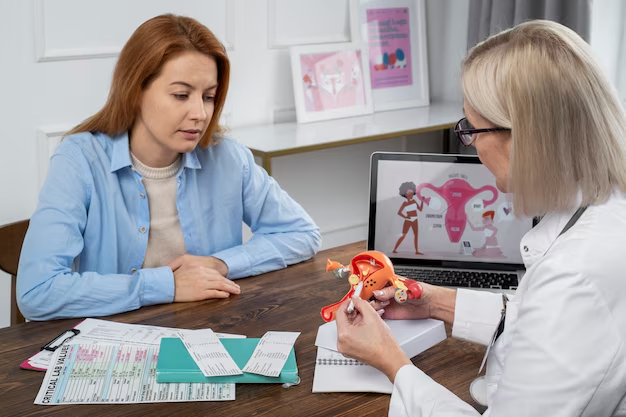
Uterine fibroids can cause symptoms that interfere with work, sleep, exercise, and everyday comfort. Heavy menstrual bleeding, pelvic pressure, and persistent fibroid pain are among the problems that may lead women to seek treatment. For those who want to avoid an operation, non-surgical fibroid treatment offers several options. Seamless helps patients understand available treatment choices, including uterine fibroid embolization Orange TX, so they can discuss suitable options with a qualified healthcare provider.
Why Women Consider Non-Surgical Fibroid Treatment
Fibroids are noncancerous growths that develop in or around the uterus. Their size, number, and location can vary considerably, so symptoms are not the same for everyone. Some women have small fibroids with no noticeable symptoms, while others experience prolonged bleeding, pelvic pressure, frequent urination, or pain.
Treatment does not always mean removing the uterus or undergoing conventional surgery. Depending on the patient’s symptoms, age, fibroid characteristics, reproductive plans, and overall health, doctors may consider medications or minimally invasive procedures. The National Institute of Child Health and Human Development lists uterine artery embolization and MRI-guided focused ultrasound among treatment options that can be performed without traditional surgery.
Medication-Based Treatment
Medication can be useful when the primary goal is controlling symptoms rather than physically removing or destroying fibroids. Certain hormonal medications can reduce menstrual bleeding, while other medicines may temporarily shrink fibroids or reduce hormone stimulation.
For women dealing with heavy periods from fibroids, medication may help reduce blood loss and improve daily comfort. Pain-relieving medicines can also be used to manage discomfort associated with fibroids.
Medication has limitations. Some treatments are temporary, and symptoms can return after treatment stops. Medicines also may not be suitable for every patient because of side effects, age, other medical conditions, or pregnancy plans.
A physician may recommend medication as the main treatment or as part of a broader plan depending on the patient’s individual circumstances.
Uterine Fibroid Embolization: How It Works
Uterine artery embolization, also called UFE treatment, is a minimally invasive procedure that reduces blood flow to fibroids. A physician guides a small catheter through a blood vessel toward the arteries supplying the uterus. Tiny particles are then introduced through the catheter to restrict blood flow to the fibroids. With less blood supply, the fibroids can shrink and symptoms may improve.
This procedure is commonly referred to as fibroid embolization or uterine artery embolization. It does not require the abdominal incision used in traditional open surgery.
For patients considering uterine fibroid embolization Orange TX, an evaluation is needed before treatment. Imaging helps physicians understand the location, size, and number of fibroids and determine whether embolization is appropriate.
Research has found that uterine artery embolization can reduce fibroid size and improve bleeding and fibroid-related quality of life.
What Symptoms Can UFE Address?
Fibroids can produce symptoms through bleeding as well as their physical presence in the pelvis. A larger fibroid may press against surrounding organs, while certain fibroid locations are more strongly associated with abnormal menstrual bleeding.
UFE may help with symptoms such as:
- Heavy or prolonged menstrual bleeding
- Pelvic pressure
- Pelvic discomfort
- Fibroid pain
- Abdominal fullness
- Symptoms caused by the physical size of fibroids
The goal of embolization is generally symptom improvement rather than simply reducing the measurement of a fibroid. Clinical guidance on UAE describes treatment success primarily in terms of improvement or resolution of fibroid-related symptoms.
MRI-Guided Focused Ultrasound
MRI-guided focused ultrasound is another non-surgical option for selected patients. Instead of using a catheter, this treatment directs high-intensity ultrasound energy toward the fibroid. MRI helps the treatment team locate the fibroid and monitor the targeted area during the procedure.
The focused energy heats the fibroid tissue, causing thermal destruction. Over time, the treated tissue can shrink and symptoms may improve. NICHD describes MRI-guided focused ultrasound as an option generally considered for women with certain fibroid characteristics, including cases involving a limited number of larger fibroids.
Suitability depends heavily on fibroid location, size, number, and other anatomical factors. It is also not available at every medical center.
Comparing UFE and Focused Ultrasound
Both UFE and focused ultrasound can treat fibroids without conventional surgery, but they work differently.
UFE treatment works by reducing the blood supply reaching the fibroids. Focused ultrasound uses concentrated sound-wave energy to destroy targeted fibroid tissue.
Clinical research comparing the two approaches has found improvement with both treatments, although outcomes can differ depending on patient and fibroid characteristics. A systematic review found greater fibroid-volume reduction after UAE at several follow-up points, while also reporting more pain, nausea, and vomiting with UAE in the studies reviewed.
Another comparative study found improvement in quality of life and pain after both procedures, with differences in reintervention rates between the treatments.
These findings do not mean one treatment is appropriate for every patient. The right option depends on medical history, imaging findings, treatment goals, and reproductive plans.
The Role of Fertility in Treatment Decisions
Future pregnancy plans deserve careful discussion before choosing any fibroid treatment. Procedures that affect the uterus or its blood supply may have implications for reproductive outcomes.
NICHD states that the effect of uterine artery embolization on pregnancy is not clear and notes reported concerns regarding miscarriage. For this reason, healthcare providers generally discuss alternative options with women who want future children.
Women considering treatment should tell their physician about current or future pregnancy plans before proceeding. Fertility considerations can significantly change which options are discussed.
What Recovery Can Look Like
Recovery varies according to the treatment used and the individual patient. Minimally invasive procedures generally involve less recovery time than major abdominal surgery, although they can still cause temporary discomfort and other side effects.
After embolization, some patients experience pelvic cramping, nausea, fatigue, or pain as the treated fibroids respond to reduced blood flow. Medical teams provide instructions for managing these symptoms and monitoring recovery.
Research comparing UAE, focused ultrasound, and surgery has reported shorter hospital stays and quicker recovery with UAE and focused ultrasound than with surgical treatment, although individual results vary.
Patients should follow their provider’s post-treatment instructions and report severe, worsening, or unusual symptoms promptly.
Choosing the Right Treatment
There is no single fibroid treatment that suits every woman. A physician may consider:
- Fibroid size and location
- Number of fibroids
- Severity of bleeding and pain
- Pelvic pressure or other bulk symptoms
- Age and overall health
- Previous treatments
- Future pregnancy plans
- Personal treatment preferences
Imaging, usually with ultrasound or MRI when appropriate, can provide information needed to select a suitable treatment pathway.
For someone researching uterine fibroid embolization Orange TX, a consultation with an experienced provider can help determine whether embolization fits the clinical picture. The discussion should cover expected benefits, possible risks, alternatives, recovery, and the possibility of needing additional treatment later.
A Treatment Plan Should Match the Patient
Avoiding surgery does not mean choosing a treatment without medical guidance. Medication, UFE, and focused ultrasound each have different mechanisms, benefits, limitations, and eligibility requirements.
For women struggling with heavy periods from fibroids, pelvic pressure, or fibroid pain, discussing these symptoms openly with a healthcare provider can help identify the underlying cause and appropriate treatment options. Modern fibroid care offers several approaches beyond traditional surgery, giving patients more factors to consider when making a treatment decision.
A consultation with a qualified specialist can clarify whether fibroid embolization, medication, focused ultrasound, or another treatment is appropriate. If you have persistent symptoms or want to discuss your options, contact us today to arrange a consultation and learn more about available fibroid treatment approaches.