

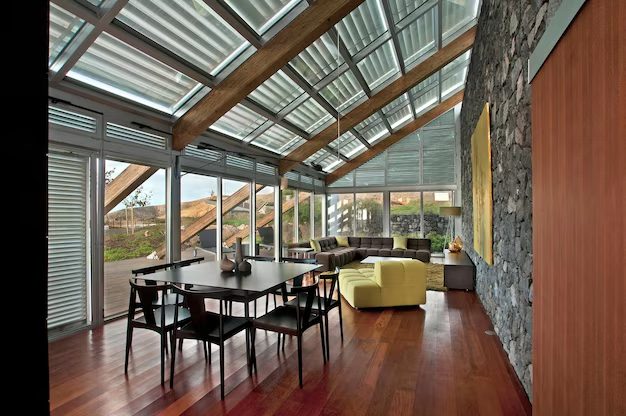
Natural light can make a noticeable difference to the appearance and atmosphere of a building, while a well-designed rooflight can also reduce the need for artificial lighting during daylight hours. For projects that need practical overhead glazing without the fragility associated with traditional glass, shop polycarbonate rooflights can be a useful option. Skylights Roof Lanterns offers roof glazing products suited to different building requirements, helping property owners and contractors bring more daylight into interior spaces.
What Are Polycarbonate Rooflights?
Polycarbonate rooflights are lightweight roof glazing panels manufactured from polycarbonate, a strong thermoplastic material known for its impact resistance. They are commonly used in commercial, industrial, agricultural, and domestic buildings where daylight needs to enter through the roof.
The panels can be manufactured in different profiles, thicknesses, finishes, and configurations. Some are designed to work with particular roofing systems, while others are available as standalone roof glazing components.
Unlike ordinary glass, polycarbonate can withstand considerable impact without shattering into dangerous shards. This makes it particularly useful for buildings where durability and occupant safety are practical concerns.
Features That Make Polycarbonate Rooflights Practical
A rooflight needs to perform more than one job. It has to admit daylight while remaining suitable for the environmental conditions around the roof. Polycarbonate products offer several characteristics that support this balance.
High Impact Resistance
One of the strongest advantages of polycarbonate is its resistance to impact. Hail, falling debris, maintenance activity, and other accidental impacts can put roof glazing under stress. Polycarbonate is less prone to breaking than conventional glass under these conditions.
This characteristic can be especially valuable for warehouses, workshops, agricultural buildings, and industrial facilities where the roof may be exposed to demanding conditions.
Lightweight Construction
Polycarbonate weighs considerably less than traditional glass. Lower weight can simplify handling and installation, particularly on larger roofing projects.
For contractors, lighter panels may also make transportation and positioning easier. The reduced load can be useful during renovation projects where the existing roof structure has specific loading limitations.
Good Light Transmission
The main purpose of a rooflight is to allow daylight into areas that might otherwise rely heavily on electric lighting. Polycarbonate panels can provide useful levels of natural light while maintaining the protective function expected from roof glazing.
Different finishes can affect how light enters a room. Clear panels provide stronger direct illumination, while diffused options spread light more evenly and can reduce harsh glare in certain settings.
Weather Resistance
Quality polycarbonate rooflights are designed to withstand exposure to rain, wind, sunlight, and changing outdoor temperatures. UV-resistant options can provide additional protection against prolonged exposure to sunlight.
The correct product should always be selected according to the roof design, location, expected weather conditions, and manufacturer specifications.
Design Flexibility
Polycarbonate rooflights are available in different forms, allowing them to work with a range of roofing systems. Corrugated and profiled panels, for example, can be incorporated into compatible metal or fibre cement roofing arrangements.
This flexibility makes them suitable for both new construction and roof refurbishment projects.
Benefits for Different Types of Buildings
The advantages of polycarbonate rooflights extend beyond the glazing panel itself. Their ability to introduce daylight can influence how a building is used throughout the day.
Reduced Dependence on Artificial Lighting
Natural daylight can reduce the amount of time electric lights need to operate during daylight hours. In large buildings with high ceilings or limited windows, rooflights can distribute daylight from above rather than relying only on vertical glazing.
This can be particularly useful in warehouses, workshops, factories, and agricultural structures where conventional windows may provide limited coverage.
Improved Interior Atmosphere
A space filled with natural light can feel more open and comfortable than a dark interior illuminated entirely by artificial sources. Roof glazing can help brighten workspaces, storage areas, garages, studios, and other rooms.
The amount of daylight required depends on the building’s purpose, orientation, roof arrangement, and size, so panel placement should be considered as part of the overall design.
Durable Performance
Polycarbonate’s resistance to impact gives it an advantage in environments where roof glazing may be exposed to accidental damage. Its relatively low weight also makes it practical for many refurbishment and replacement applications.
Proper installation remains essential. Even a durable panel can perform poorly if it is incorrectly fixed, unsupported, or incompatible with the surrounding roofing system.
Practical Installation
Many polycarbonate rooflight panels are designed to work with established roofing profiles. This can make them suitable for projects where selected roof sections need to be replaced or introduced as daylight panels.
Installation should follow the manufacturer’s guidance regarding fixing points, overlaps, expansion allowances, support spacing, and sealing.
Where Polycarbonate Rooflights Are Commonly Used
Polycarbonate rooflights have applications across several property types because daylighting requirements vary considerably from one building to another.
Warehouses and Industrial Units
Large industrial buildings often have limited wall openings because of storage layouts, machinery, security requirements, or structural considerations. Rooflights can introduce daylight across wider areas without taking up valuable wall space.
They are often used alongside metal roofing systems in warehouses, factories, distribution facilities, and workshops.
Agricultural Buildings
Barns, livestock buildings, storage sheds, and agricultural workshops can benefit from additional daylight. Polycarbonate rooflights can be incorporated into suitable roofing systems to make interior areas brighter during daytime operations.
The chosen product should be appropriate for the building’s environmental conditions and ventilation requirements.
Garages and Workshops
Private garages and professional workshops often need good visibility for maintenance, repairs, and practical tasks. Rooflights can provide overhead illumination without requiring additional windows along the walls.
Their impact resistance also makes polycarbonate a practical consideration for working environments.
Domestic Extensions and Outbuildings
Smaller polycarbonate rooflight systems can also be considered for certain residential applications, including conservatories, extensions, garden rooms, and outbuildings.
The design should complement the existing roof and provide appropriate insulation, ventilation, and weather protection for the intended use of the space.
Choosing the Right Rooflight for Your Project
Not every polycarbonate rooflight is suitable for every roof. The roofing profile is one of the first details to check, as the panel needs to match the surrounding system for proper installation.
Consider the following factors before ordering:
- Roof profile: Check compatibility with the existing or proposed roofing sheets.
- Panel thickness: Select a specification suited to the structural and environmental requirements.
- Light transmission: Decide whether clear or diffused daylight is more appropriate.
- UV protection: Consider products designed to withstand prolonged sunlight exposure.
- Fixing requirements: Confirm the correct fasteners, washers, and installation method.
- Thermal performance: Review insulation requirements where the building is occupied regularly.
- Building regulations: Check applicable requirements for the specific construction project.
Professional advice can be valuable when the roof design is complex or when several glazing and roofing materials need to work together.
Installation and Maintenance Considerations
Correct installation has a direct effect on the long-term performance of rooflights. Panels should be supported and fixed according to the manufacturer’s recommendations, with suitable allowances for thermal movement.
Rooflights should also be inspected periodically. Dirt, leaves, moss, and other debris can reduce the amount of daylight passing through the panels. Cleaning should be carried out using methods and products that will not damage the surface.
During inspections, look for loose fixings, damaged panels, deteriorated seals, and signs of water ingress. Addressing small problems early can help prevent more extensive roof issues.
A Practical Choice for Daylight-Focused Roofing
Polycarbonate rooflights combine low weight, impact resistance, useful light transmission, and compatibility with many roofing applications. These characteristics make them suitable for everything from large industrial facilities to agricultural buildings, workshops, garages, and selected residential projects.
The best results come from choosing a rooflight that matches the existing roof profile, environmental conditions, daylight requirements, and installation method. A suitable product can provide dependable overhead glazing while making better use of natural daylight inside the building.
For advice on selecting suitable rooflight products for your project, contact us today and discuss your requirements with the team. The right specification and installation approach can help ensure that your roof glazing delivers the practical performance your building needs.