

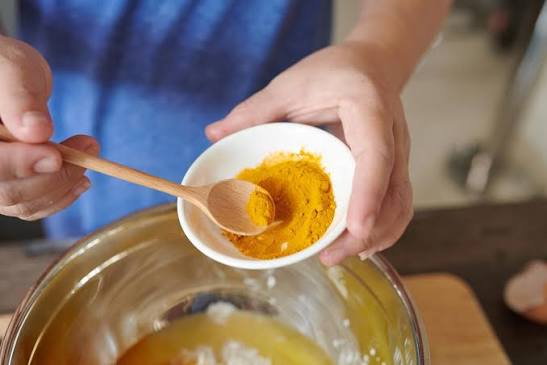
Turmeric has had a strange decade. It went from a spice most Western cooks encountered only in curry powder to a wellness phenomenon — golden lattes, supplement aisles, smoothie add-ins — and somewhere in that transition a lot of people started using it without ever learning how to cook with it.
The result is a recognizable failure mode. Someone stirs a teaspoon of turmeric into a soup or a bowl of rice, expecting warmth and golden color, and gets something bitter, chalky, and faintly musty. They conclude turmeric tastes like dirt, which isn’t entirely unfair, and the jar goes to the back of the cupboard where it slowly fades to beige.
The spice isn’t the problem. Turmeric just has requirements, and nobody explains them.
What turmeric actually tastes like
Before the fixes, the baseline. Turmeric is the dried rhizome of Curcuma longa, a relative of ginger, and it tastes like it — earthy, slightly bitter, faintly peppery, with a musky warmth and a mild ginger-adjacent bite at the back. It is not sweet, it is not floral, and it is not, on its own, especially pleasant. If you taste it raw off a spoon you will not enjoy it.
That’s normal. Turmeric is a background spice. Its job is to add depth, color, and a low earthy hum underneath other flavors — not to be the thing you taste. Almost every problem people have with it comes from treating it as a lead ingredient. If you want a fuller sense of the flavor before you commit, this walkthrough of what turmeric tastes like is a useful reference point.
The four rules
1. Bloom it in fat. Always.
This is the single most important thing, and it’s the step almost everyone skips. Turmeric’s flavor compounds — curcuminoids and the aromatic turmerones — are fat-soluble and essentially locked up in the dry powder. Stirred into water, broth, or a smoothie, they never fully release, which is exactly why the spice tastes raw and chalky.
Heat a tablespoon of oil, ghee, butter, or coconut oil over medium-low. Add the turmeric. Stir for thirty to forty-five seconds until it darkens slightly and the kitchen smells warm and earthy rather than dusty. Then add everything else. That’s it. That’s the fix for about 80% of bad turmeric experiences.
Don’t push past a minute. Turmeric scorches quickly and burnt turmeric is genuinely bitter in a way you can’t cook out.
2. Use less than you think.
A teaspoon of turmeric will color an entire pot of rice or a curry for six. People routinely use three times what’s needed because they’re chasing color, then wonder why it tastes medicinal. Start at a half teaspoon for a four-serving dish and go up.
The color is deceptive here — turmeric stains at concentrations far below where it flavors, so you get the visual payoff long before you need to push the quantity.
3. Give it acid and salt.
Turmeric’s bitterness needs something to push against. Lemon, lime, tamarind, yogurt, tomato, or vinegar all round it out and lift the earthiness into something brighter. Salt does the same work from the other direction. A turmeric rice with lemon juice and proper salt tastes finished; the same rice without them tastes like sawdust. This is why turmeric appears constantly alongside tomatoes and yogurt in Indian cooking and almost never on its own.
4. Pair it, don’t isolate it.
Turmeric belongs in a chord, not a solo. Its natural partners are cumin, coriander, ginger, garlic, mustard seed, black pepper, and chili. Coconut milk is a particularly good foil — the fat carries the flavor and the sweetness balances the bitterness, which is why so many Southeast Asian and South Indian dishes combine the two.
The black pepper thing
You’ve probably heard that you must add black pepper to turmeric. It’s true, with a caveat worth understanding.
Piperine, the active compound in black pepper, substantially increases the bioavailability of curcumin — the most-studied compound in turmeric — by slowing its breakdown in the liver and intestinal wall. The commonly cited figure from the original 1998 study is a 2,000% increase in absorption. That’s a real finding.
But it’s a finding about supplementation, not about dinner. The quantities of curcumin in a normal serving of curry are modest regardless, and the combination is worth doing mostly because turmeric and black pepper taste good together — which, conveniently, is why traditional cooking pairs them anyway. Add the pepper. Don’t imagine that a bowl of soup is now a pharmaceutical.
I’d also flag the general caution: turmeric is a food, and the evidence for its health benefits at culinary doses is a good deal thinner than the marketing suggests. Cook with it because it makes food taste and look better. That’s a sufficient reason.
Five places it genuinely improves things
Rice. Bloom a half teaspoon of turmeric powder in oil with a bay leaf and a few cumin seeds, add basmati, toast for a minute, then add water and salt. It’s the easiest upgrade to a weeknight side dish, and it takes no extra time.
Roasted vegetables. Toss cauliflower, carrots, or potatoes with oil, turmeric, cumin, and salt before roasting. The dry heat does the blooming for you.
Eggs. A pinch in scrambled eggs or an omelet — with onion and green chili, in the Indian style — adds color and a savory depth that’s hard to place.
Lentils and beans. Turmeric is standard in dal for good reason: it cuts the flatness of legumes and gives the whole pot a warmer bass note. Add it early, in the tempering oil.
Braises and stews with coconut milk. Chicken, fish, or vegetables. Turmeric, ginger, garlic, lemongrass, coconut milk, lime at the end.
Buying and storing
Ground turmeric loses its aromatic oils faster than its color, which creates a trap: the jar still looks vividly yellow long after it has stopped tasting like anything. Smell it. Fresh turmeric powder has a distinct peppery-earthy aroma; old turmeric smells like dust and stains just as brightly.
Buy in small quantities and replace annually. Keep it sealed and away from light — curcumin is light-sensitive and fades. And accept that it will stain everything it touches: your fingers, your cutting board, your grout, your plastic containers. Use glass and metal where you can. Sunlight fades turmeric stains on fabric surprisingly well, which is the only laundry tip in this article and one you will eventually need.