
Success in shooting sports depends on more than steady technique. Clear vision plays an equally important role, especially when lighting changes throughout the day. The right Prescription Shooting Glasses do more than correct your vision. They improve contrast, help separate targets from the background, and reduce eye fatigue, allowing you to maintain focus during practice or competition.
Choosing the right lens colour is often just as important as selecting the correct frame or prescription. A lens that works well on a bright summer afternoon may perform poorly on a shaded course or indoor range, which is why experienced shooters treat lens colour as a functional part of the setup rather than a cosmetic choice. The right tint can reduce the effort your eyes spend searching for a target, leaving more attention for timing, alignment, and follow-through.
Prescription Shooting Glasses: Why Lens Colour Matters
Every lens colour filters light differently. Instead of simply making the world appear darker, coloured lenses enhance certain wavelengths while reducing others. This affects how well you can identify targets, judge depth, and react to changing backgrounds.
For shooters, even subtle improvements in contrast can make targets appear sharper and easier to track. The ideal lens colour depends on the environment, weather, and type of shooting rather than personal preference alone.
Quick Tip: No single lens colour performs best in every condition. Experienced shooters often own multiple lens tints because different environments require different visual advantages.
Choosing the Right Lens Colour
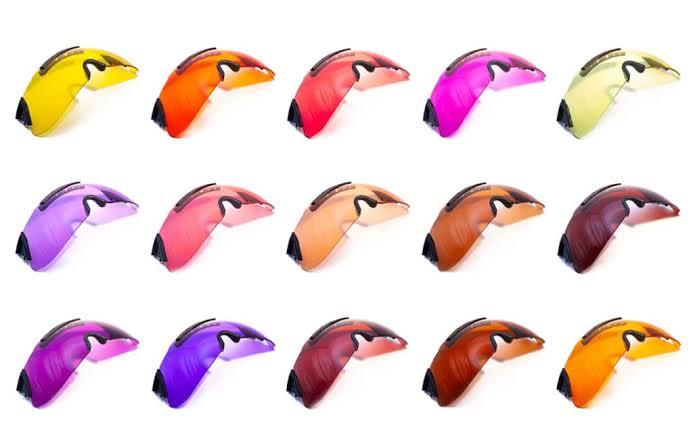
The table below provides a practical comparison of the most common shooting lens colours.
| Lens Colour | Best Conditions | Primary Benefit |
| Yellow | Overcast skies, fog, early morning | Improves brightness and contrast |
| Orange | Clay shooting, mixed backgrounds | Enhances orange targets |
| Vermilion | Green landscapes and wooded areas | Separates targets from vegetation |
| Brown/Bronze | Bright daylight | Improves depth perception and reduces eye strain |
| Grey | Intense sunlight | Maintains natural colour balance |
| Purple | Clay targets against blue skies | Increases target definition |
| Clear | Indoor ranges and low light | Maximum light transmission with impact protection |
Understanding when each colour performs best helps you make a more informed decision when selecting eyewear.
Yellow Lenses
Yellow lenses increase perceived brightness by filtering blue light. They are particularly useful during cloudy weather, dawn sessions, or foggy mornings when visibility is reduced.
Although they brighten the view, yellow lenses are not designed for strong sunlight. In bright conditions, they may allow too much light to enter the eye.
Orange and Vermilion Lenses
Orange and vermilion lenses are favourites among clay target shooters because they increase the contrast between orange targets and natural surroundings.
These colours help targets stand out against green vegetation and darker backgrounds, allowing faster target acquisition and improved visual tracking.
Brown and Bronze Lenses
Brown and bronze lenses perform well in bright outdoor environments where glare and visual fatigue become concerns.
These tints improve depth perception while maintaining excellent contrast, making them suitable for long practice sessions under direct sunlight.
Grey Lenses
Grey lenses reduce brightness without significantly altering natural colours.
Shooters who prefer realistic colour perception often choose grey lenses for consistently sunny conditions where glare reduction is the main priority.
Matching Lens Colours to Shooting Environments
Instead of choosing based solely on colour preference, consider where you spend most of your shooting time.
Outdoor Sporting Clays
Sporting clays involve constantly changing backgrounds, lighting, and shooting angles.
Orange or vermilion lenses generally perform well because they increase contrast against vegetation while making clay targets easier to distinguish.
Indoor Shooting Ranges
Indoor ranges usually feature controlled lighting with minimal glare.
Clear lenses are often sufficient, providing full impact protection while allowing maximum available light to reach your eyes.
Bright Open Fields
Large open ranges with strong sunlight can quickly cause eye fatigue.
Brown or grey lenses reduce brightness while maintaining sharp visual clarity throughout extended shooting sessions.
Woodland or Mixed Terrain
Wooded areas create rapidly changing shadows and uneven lighting.
Vermilion and yellow lenses often improve visibility by increasing contrast between targets and darker backgrounds.
Features That Matter Beyond Lens Colour
Choosing the correct tint is important, but it should never be the only factor when selecting Prescription Shooting Glasses.
Look for eyewear that includes:
- Impact-resistant safety-rated lenses
- Accurate prescription optics
- Comfortable, secure frame fit
- Wide field of vision
- UV protection for outdoor shooting
- Anti-fog and scratch-resistant coatings
These features work together to improve safety, comfort, and visual performance throughout every session.
Common Mistakes When Choosing Shooting Lenses
Many shooters assume darker lenses automatically provide better vision. In reality, excessive tint can reduce contrast and make targets harder to detect.
Other common mistakes include:
- Using the same lens colour year-round
- Ignoring changing weather conditions
- Choosing lenses based only on appearance
- Overlooking frame fit and stability
- Buying non-rated eyewear instead of safety-certified options
Avoiding these mistakes can significantly improve both comfort and shooting consistency.
Should You Own More Than One Lens Colour?
For regular shooters, the answer is often yes.
Lighting conditions can change dramatically throughout a single day. Morning fog, midday sunshine, and late afternoon shadows each affect visibility differently.
Having multiple interchangeable lens colours allows you to adapt without compromising visual clarity. If interchangeable lenses are not available, selecting the tint that matches your most common shooting environment is usually the best long-term solution.
Properly fitted prescription lenses can make a measurable difference on the range, especially when you understand how RX shooting glasses improve accuracy and safety.
How to Identify the Best Prescription Shooting Glasses
The best prescription shooting glasses combine accurate prescription optics with lens colours suited to your environment. Performance depends on the complete package rather than any single feature.
When comparing options, ask yourself:
- Where do I shoot most often?
- What lighting conditions do I encounter regularly?
- Do I need interchangeable lenses?
- Will I use them for competition, practice, or both?
- Are the lenses impact-rated for shooting sports?
Answering these questions helps narrow your choices and ensures the eyewear supports your shooting style.
Quality Rx shooting glasses should provide clear, consistent vision without distraction. The correct lens colour enhances target visibility, while a precise prescription and protective construction support both accuracy and eye safety.
Ultimately, well-designed Prescription Shooting Glasses help shooters maintain focus across varying conditions by improving contrast, reducing visual fatigue, and delivering dependable protection whenever precision matters most.