

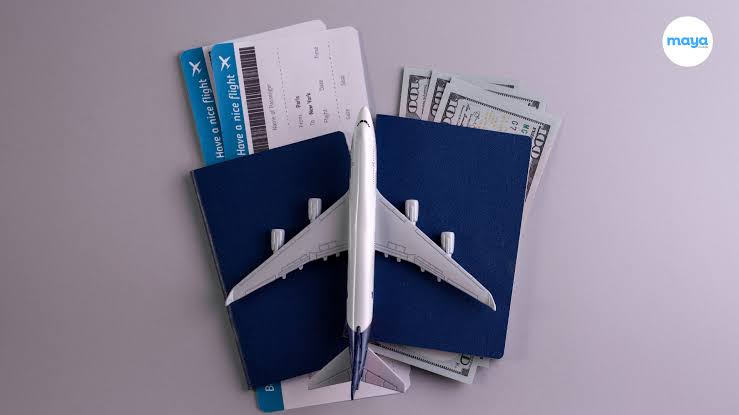
Flying for the first time can feel overwhelming. You might worry about security lines, boarding procedures, or whether you’ll find your gate, especially if you’re traveling alone. The good news is that commercial air travel follows predictable patterns, and understanding what happens at each stage makes the experience far less stressful. This guide walks you through the entire process, from arriving at the airport to landing at your destination.
Arriving at the Airport and Check-In
Plan to arrive at the airport two to three hours before a domestic flight. This gives you plenty of time to navigate the terminal without rushing. Once inside, look for your airline’s check-in counters or use a self-service kiosk if you prefer. You’ll need your ID and booking confirmation, which you can show on your phone or print out beforehand. The agent will weigh your luggage, confirm your destination, and issue your boarding pass. If you’re checking bags, they’ll be loaded onto a conveyor belt and sent to your aircraft automatically.
Security Screening and TSA Procedures
After check-in, you’ll head to the security checkpoint. Have your ID and boarding pass ready to show the officer. You’ll place your carry-on bag, shoes, belt, and any metal items into a bin that moves through an X-ray machine. Walk through the metal detector or body scanner yourself. Security staff may conduct a pat-down if something triggers the scanner, but this is routine and professional. The entire process typically takes fifteen to thirty minutes, though busy periods can run longer.
Finding Your Gate and Waiting Areas
Once you’ve cleared security, locate your gate using the airport’s display boards or your airline’s mobile app. Gates can change, so check the monitors even if your boarding pass already shows a gate number. Most gates have seating areas, and many airports now offer charging stations for your devices. You can grab food, shop, or simply relax before boarding begins. Most airlines begin boarding about thirty to forty-five minutes before departure, starting with first-class passengers and those who need extra time.
The Boarding Process and Seat Selection
When your row is called, line up and scan your boarding pass at the gate. You’ll walk down a jet bridge directly to the airplane door. Flight attendants will greet you and direct you toward your seat. If you purchased a window or aisle seat, you’ll have that specific location assigned. Middle seats are generally less desirable because you’re seated between two other passengers, but they are typically cheaper. Once seated, stow your carry-on bag in the overhead bin or under the seat in front of you, and keep smaller items like purses or laptop bags at your feet.
In-Flight Comfort and Safety Information
Before takeoff, flight attendants will demonstrate safety features, including where exits are located and how to use your seatbelt. During over-water routes, they also explain how to locate and use aircraft life vests, which are stored under or within your seat and are a required safety feature on those flights. Paying close attention to the safety demonstration benefits all passengers, regardless of how many times they have flown. The plane will then push back from the gate and taxi to the runway.
You’ll feel a noticeable surge of acceleration during takeoff, which can be surprising the first time but is entirely normal. Once airborne, the captain may turn off the seatbelt sign, allowing you to move around the cabin. Flight attendants will come through offering beverages and snacks, though these may not be complimentary on budget carriers.
Landing and Exiting the Aircraft
As you approach your destination, the captain will announce the descent. You might feel your ears pop due to altitude changes; chewing gum or swallowing helps relieve this pressure. The landing itself involves a noticeable bump and braking, which can feel sudden but is entirely routine. Once the aircraft comes to a complete stop at the gate and the seatbelt sign turns off, gather your belongings from the overhead bin and exit row by row when your section is called.
Baggage Claim and Ground Transportation
If you checked luggage, follow signs to baggage claim upon exiting the secure area. Your bags will arrive on a carousel labeled with your flight number. Collect your luggage and head toward ground transportation, where you can arrange for a taxi, rideshare service, rental car, or public transit depending on your destination. If someone is picking you up, meet them in the designated area outside the terminal.
Conclusion
Your first flight does not need to be stressful. By understanding each stage of the journey, from check-in through landing, you can move through the airport with confidence. Millions of people fly every day without incident, and airport staff are accustomed to helping first-time travelers. Arrive early, keep your documents accessible, and follow instructions from airline and security personnel. With these fundamentals in place, you are well prepared to embrace air travel and explore new destinations.