

The phrase “hump fish” appears across marine talk, online slang, and casual conversation, carrying different senses based on setting. Readers searching this term usually want clarity, background, and correct usage without confusion.
Primary Meanings of “Hump Fish”
1) Marine Context
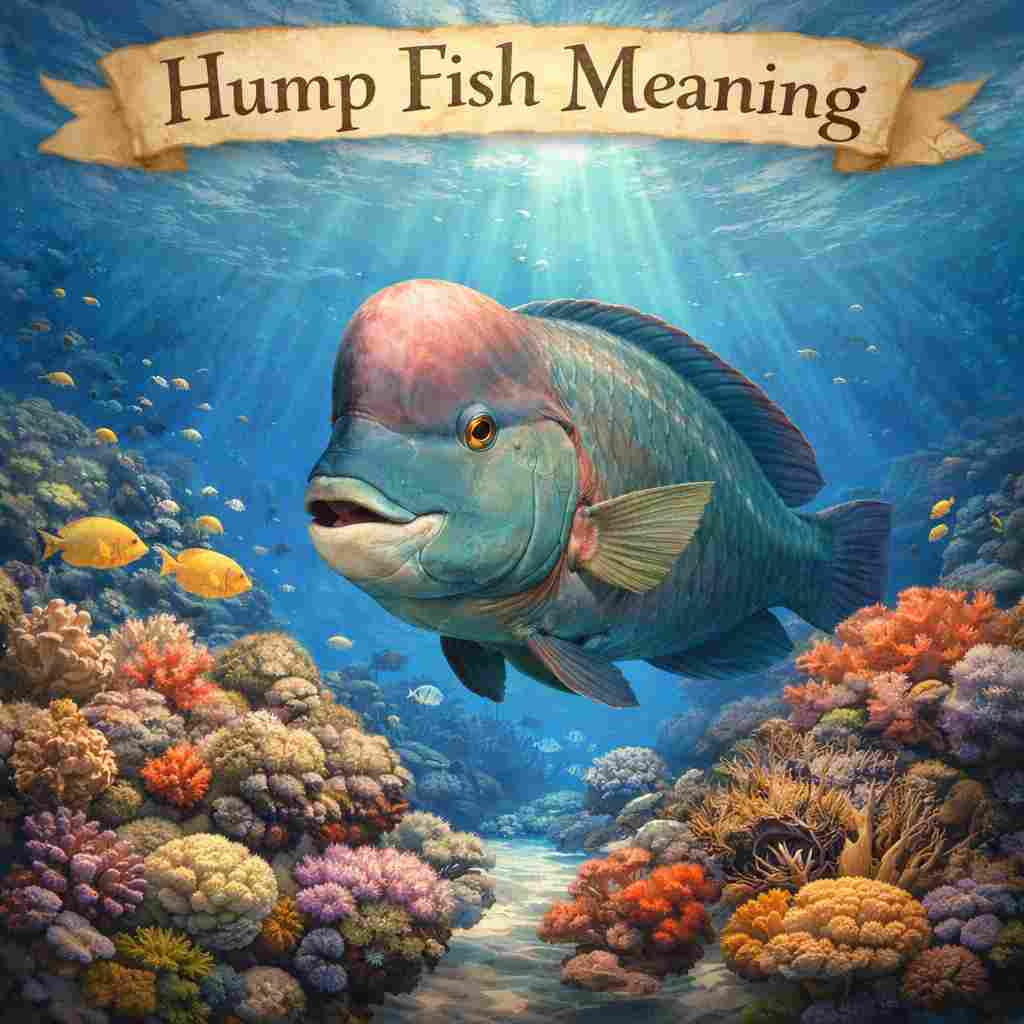
In sea-related discussions, “hump fish” commonly points toward animals with a visible raised area along the head or back. The wording itself highlights physical shape rather than scientific classification.
References are:
- Large reef species with a pronounced head bulge
- Whale-related phrases used loosely in conversation
- Regional nicknames used by coastal communities
This phrasing appears in informal speech rather than academic texts.
2) Informal Slang Usage
Online forums and social media sometimes use “hump fish” playfully or humorously. The meaning shifts based on tone and audience.
Typical slang intentions:
- A joke about appearance
- A teasing label inside friend groups
- A metaphor tied to shape or posture
Context decides intent, so reading surrounding lines matters.
3) Cultural or Regional Use
Some coastal regions adopt unique sea-life terms that differ from global usage. “Hump fish” may serve as a local label shared within fishing communities or markets.
Regional traits:
- Spoken language rather than written reference
- Shared local meaning
- Passed through everyday conversation
Physical Traits Linked With the Term
People using this phrase usually refer to visible features rather than taxonomy.
Characteristics frequently mentioned:
- Raised forehead or back curve
- Large body size
- Strong jawline or thick head profile
These visual cues explain the wording choice.
Comparison With Similar Sea Terms
| Phrase Used | What People Usually Mean | Context |
| Hump fish | Sea animal with a raised head or back | Casual talk |
| Humpback whale | Specific whale species | Educational |
| Reef giant | Large coral-area fish | Fishing circles |
| Head-bulge fish | Visual description | Informal |
Search intent behind this phrase generally falls into a few clear paths:
- Clarifying slang seen online
- Confirming a term heard in conversation
- Checking marine-related usage
- Avoiding misuse in writing or speech
Clear explanation prevents misinterpretation.
Correct Usage in Sentences
Here are natural examples that fit everyday language:
- “That reef guide pointed out a hump fish near the coral edge.”
- “The meme used ‘hump fish’ as a joke about posture.”
- “Local sellers used the phrase for a large-headed catch.”
Each line shows tone shaping meaning.
What the Phrase Does Not Mean
To avoid confusion, this wording does not point toward:
- A scientific species label
- An official marine category
- A formal biological term
It works best as descriptive or conversational language.
Meaning by Context
| Meaning Style | Tone | |
| Marine talk | Shape-based description | Neutral |
| Online slang | Playful or teasing | Casual |
| Regional speech | Local nickname | Familiar |
Depending on context, “Hump fish meaning” changes with setting, speaker, and audience. In sea related chat, it highlights physical form. Online, it serves humor. In coastal regions, it acts as shared vocabulary. Clear awareness of context keeps communication smooth and avoids awkward misuse.