

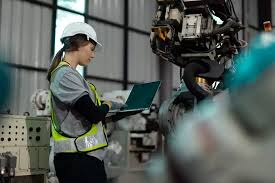
Modern manufacturing is defined by its ability to produce consistent results at scale. As industries adopt automation, data-driven control systems, and high-speed production lines, the importance of material behavior has become more critical than ever. Materials are no longer just inputs; they are active participants in processes that demand precision, repeatability, and efficiency. Even minor inconsistencies can lead to defects, downtime, or increased operational costs.
Within these complex production environments, PVOH is often selected for its predictable solubility, stable film formation, and compatibility with water-based processing systems. Its role is typically supportive, enabling temporary functions such as binding, coating, or separation without introducing variability into the production workflow. This reliability makes it a valuable component in manufacturing systems where precision and scalability are essential.
The Shift Toward Process-Driven Manufacturing
Manufacturing has evolved from manual assembly to highly controlled, process-driven systems. In these environments, every variable is monitored and optimized to improve efficiency and reduce waste.
Materials must align with this approach by offering consistent performance across different conditions. Variability in material behavior can disrupt carefully calibrated systems, making stability a key requirement.
Scalability as a Material Requirement
Scalability is central to modern manufacturing. Materials that perform well in small-scale testing must also function reliably in continuous, high-volume production.
Stable polymers support scalability by maintaining consistent properties across large batches. This ensures that production can expand without compromising quality or efficiency.
Supporting Continuous Production Systems
Continuous production lines rely on uninterrupted operation. Materials introduced into these systems must not create bottlenecks or require frequent adjustments.
Water-compatible polymers help maintain smooth workflows by integrating easily into processing systems. Their predictable behavior reduces the risk of buildup or contamination that could interrupt production.
Temporary Functions in Manufacturing Processes
Many manufacturing processes require materials that perform temporary roles. These include binders, release layers, and protective coatings.
Temporary materials must provide sufficient strength during processing while allowing clean removal afterward. Controlled solubility ensures that removal can be achieved without damaging products or equipment.
Process Stability and Consistency
Process stability depends on the consistency of materials used. When materials behave predictably, production parameters can remain fixed, reducing the need for constant monitoring.
Consistent materials simplify process control and improve overall efficiency. They also support compliance with industry standards and quality requirements.
Integration With Automated Systems
Automation is a key feature of modern manufacturing. Materials must be compatible with automated equipment to ensure efficient operation.
Predictable materials reduce the need for manual intervention, allowing automated systems to run continuously. This improves productivity and reduces labor costs.
Equipment Protection and MaQuality Assurance in High-Volume Production
High-volume production requires robust quality assurance systems. Materials that behave consistently make it easier to maintain quality standards.
Predictable materials reduce defects and improve yield rates. They also simplify inspection processes, making quality control more efficient.
Data-Driven Manufacturing
Modern manufacturing systems rely on data to monitor performance and identify areas for improvement. Material behavior influences the accuracy of this data.
Stable materials produce consistent results, enabling more accurate analysis and decision-making. This supports continuous improvement initiatives.
Flexibility in Multi-Product Facilities
Many manufacturing facilities produce a variety of products using the same equipment. Materials that can adapt to different processes provide greater flexibility.
Versatile polymers allow manufacturers to switch between products with minimal adjustments, reducing downtime and improving efficiency.
Waste Reduction and Sustainability
Reducing waste is both an economic and environmental priority. Materials that integrate smoothly into processes help minimize scrap and rework.
Water-compatible materials simplify waste handling and support sustainable manufacturing practices.
Workforce Efficiency and Training
Materials that are easy to handle reduce training requirements and improve workforce efficiency. Workers can focus on process optimization rather than troubleshooting material issues.
This leads to smoother operations and fewer errors.
Pilot Production and Scale-Up
Before full-scale production, processes are tested in pilot environments. Materials used at this stage must perform consistently when scaled up.
Materials with established industrial use provide confidence during this transition, reducing the risk of unexpected issues.
Long-Term Reliability and Supply Stability
Reliable supply chains are essential for maintaining production schedules. Materials that are consistently available and maintain quality over time support operational stability.
This reliability allows manufacturers to plan effectively and avoid disruptions.
Strategic Importance of Supporting Materials
Supporting materials may not be visible in final products, but they play a critical role in manufacturing systems. They enable precision, efficiency, and scalability across processes.
Their impact is measured in improved performance and reduced operational challenges.
Conclusion
Modern manufacturing depends on materials that can support complex, high-speed production systems. Materials that offer predictable behavior, compatibility with automation, and ease of processing are essential to maintaining efficiency and quality.
By enabling stable processes and scalable operations, functional materials contribute significantly to industrial success. Their role may be subtle, but their influence on manufacturing performance is profound.