

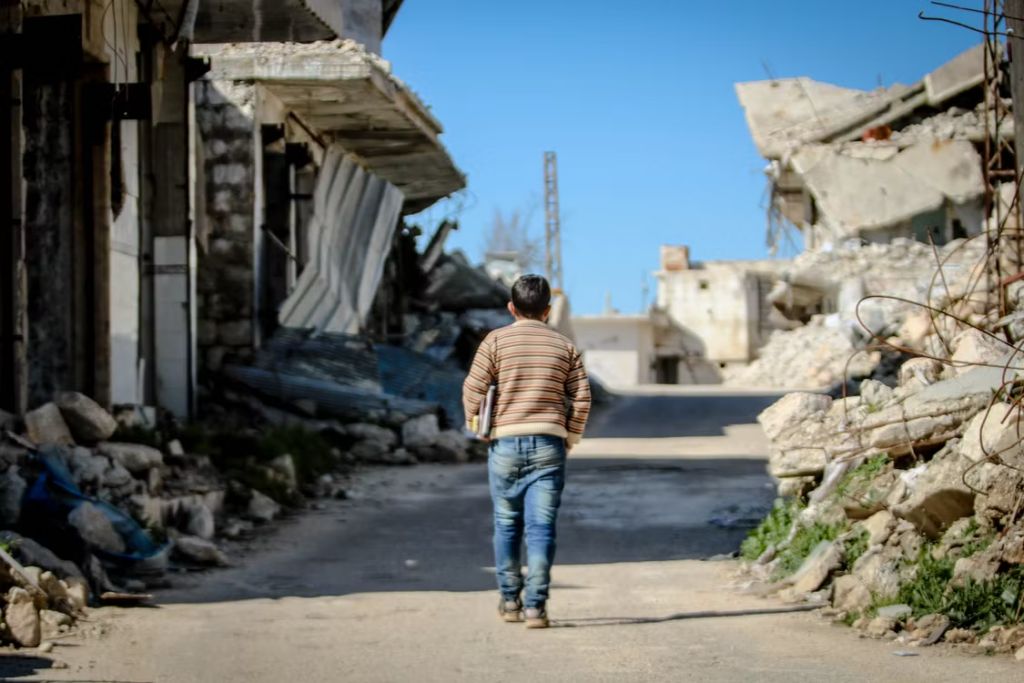
Roads can be rebuilt. Schools can reopen. Essential services can return.
But what happens if a community invests in recovery while overlooking the generation that will eventually sustain it?
Long-term recovery is often measured by visible progress—repaired infrastructure, restored services, and economic growth. Yet lasting recovery depends on something equally important: whether young people have the opportunity to contribute to the future of their communities.
In conflict-affected settings, young people are frequently viewed as recipients of support. However, they are also students, community members, innovators, and future leaders. The United Nations recognizes youth as important partners in peacebuilding and recovery because of their ability to contribute to more inclusive and sustainable solutions.
As humanitarian organizations increasingly focus on community-led recovery, investing in youth leadership is emerging as a critical way to strengthen resilience, build local capacity, and create opportunities that extend beyond survival.
1. Young People Experience Recovery Differently
Conflict affects every member of a community, but young people often experience recovery in unique ways.
They may face:
- Interrupted education
- Limited employment opportunities
- Disrupted social networks
- Uncertainty about their future
Unlike older generations, they are often navigating critical stages of personal, educational, and professional development while their communities recover.
Because young people will live with the long-term consequences of today’s recovery decisions, their perspectives can provide valuable insights into the challenges and opportunities communities face moving forward.
2. Youth Leadership Helps Rebuild Social Cohesion
Conflict can weaken trust between individuals, families, and communities.
Rebuilding that trust is essential for long-term stability.
Youth-led initiatives often create opportunities for collaboration, dialogue, and community engagement. By bringing people together around shared goals, young leaders can help strengthen social connections that may have been damaged during conflict.
According to the United Nations Development Programme (UNDP), youth participation contributes to more inclusive, peaceful, and resilient societies. Source:
In many cases, rebuilding relationships becomes just as important as rebuilding physical infrastructure.
3. Excluding Young People Can Slow Recovery
Recovery efforts are strongest when communities have a voice in shaping them.
When young people are excluded from decision-making processes, communities may lose access to important local knowledge and perspectives.
The consequences can include:
- Recovery programs that fail to address youth priorities
- Reduced community ownership
- Missed opportunities for innovation
- Fewer pathways for future leadership
The UN Youth, Peace and Security agenda highlights meaningful youth participation as a key component of sustainable peacebuilding and recovery efforts.
Investing in youth leadership is not simply about inclusion, it is about improving the effectiveness and sustainability of recovery initiatives.
4. Youth Participation Strengthens Community-Led Solutions
The most sustainable recovery efforts are often those designed and supported by local communities.
Young people bring perspectives that can help organizations better understand emerging challenges, changing community needs, and barriers affecting their peers.
Research from the United Nations Population Fund (UNFPA) highlights the importance of youth engagement in shaping programs that reflect local realities and priorities.
Their contributions can strengthen initiatives related to:
- Education
- Mental wellbeing
- Community development
- child protection
When young people help design and implement solutions, recovery efforts become more responsive and locally relevant.
5. Leadership Opportunities Build Long-Term Resilience
Recovery is not a short-term process.
Communities may spend years rebuilding institutions, restoring opportunities, and creating stability after conflict.
Investing in youth leadership programs in conflict zones helps young people develop skills that remain valuable long after humanitarian interventions end, including:
- Communication
- Problem-solving
- Collaboration
- Leadership
- Community engagement
UNICEF emphasizes that meaningful youth participation can strengthen resilience and help young people contribute positively to their communities. Source:
These capabilities help communities build local leadership capacity that supports recovery for years to come.
6. Today’s Youth Become Tomorrow’s Leaders
The future of any community depends on the people who will eventually lead it.
The young people participating in recovery efforts today may become:
- Educators
- Entrepreneurs
- Healthcare professionals
- Community advocates
- Local decision-makers
Supporting youth leadership creates opportunities for communities to develop their own leadership capacity rather than relying solely on external assistance.
This reflects a growing understanding across the humanitarian sector that recovery becomes more sustainable when communities are empowered to guide their own progress.
By investing in young people today, communities strengthen the foundation for future growth, stability, and self-reliance.
Closing Thoughts
Long-term recovery is not simply about helping communities survive conflict. It is about creating opportunities for future generations to thrive.
Young people bring lived experience, fresh perspectives, and a long-term stake in the future of their communities. When they are trusted to participate in decisions, contribute ideas, and take on leadership roles, the benefits extend beyond individual development and support broader community recovery.
This is why youth leadership programs in conflict zones are increasingly recognized as an important investment in sustainable, community-led recovery. They help build local leadership, strengthen resilience, and create pathways for young people to actively shape the future of their communities.
The success of long-term recovery efforts will not be measured only by what communities rebuild after conflict, but by whether the next generation has the opportunity to help shape what comes next.