

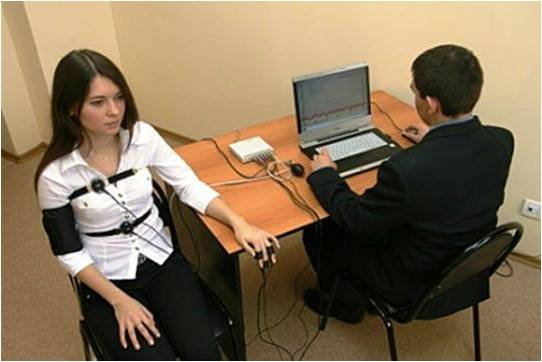
A Polygraph Test is often imagined as a short session where someone sits in a chair, answers a few questions, and receives immediate results. In reality, the process is much more detailed. A professional Polygraph Test is carefully structured and usually takes several hours because accuracy depends on preparation, proper questioning, and detailed analysis. Most people are surprised to learn that the actual time spent answering questions while connected to the machine is only a small part of the full examination.
On average, a standard Polygraph Test takes between 2 and 4 hours, though some tests may be shorter or longer depending on the purpose of the examination. Employment screenings, criminal investigations, legal disputes, and private relationship cases can all vary in complexity, which directly affects the duration. Understanding each stage of the process can help reduce anxiety and provide realistic expectations before test day. This guide explains the full timeline step by step, showing exactly where the time goes during a polygraph examination.
Understanding Why a Polygraph Test Takes Time
Many people assume a Polygraph Test simply detects lies instantly, but the truth is more complicated. The machine itself does not detect deception. Instead, it records physiological responses such as breathing patterns, heart rate, blood pressure, and skin conductivity while a trained examiner interprets the data. Because human stress responses can vary greatly, examiners must spend considerable time establishing a baseline and ensuring questions are clear and fair.
Time is essential because rushed testing can reduce reliability. Examiners need enough time to explain the process, build rapport, review background details, and confirm that the examinee understands every question beforehand. A properly administered polygraph cannot be rushed without affecting the quality of the results. This is why reputable examiners allocate multiple hours for a single appointment rather than conducting quick sessions.
Step 1: Arrival and Initial Check-In (10–20 Minutes)
The first stage begins when the examinee arrives at the testing location. During check-in, administrative procedures are completed, including identity verification, paperwork, and consent forms. The examiner may also explain confidentiality rules and the general purpose of the examination.
This stage helps establish a professional environment and gives the examinee time to settle in. Although it may seem minor, these early minutes are important because they reduce confusion later in the process. Some examiners also observe the examinee’s general demeanor from the moment they arrive, noting stress levels or unusual behavior that may influence the session.
Step 2: Pre-Test Interview (45–90 Minutes)
The pre-test interview is usually the longest and most important phase of a Polygraph Test. During this stage, the examiner discusses the reason for the examination and gathers background information relevant to the case. This may include personal history, event details, or prior statements.
The examiner also explains how the polygraph instrument works and what physiological responses it records. Contrary to popular belief, there are no surprise questions during a legitimate polygraph exam. Every question is reviewed in advance so the examinee fully understands what will be asked. Ambiguous or confusing wording is clarified before testing begins.
This stage serves several purposes. First, it helps reduce misunderstandings. Second, it establishes baseline emotional comfort. Third, it allows the examiner to design a question set suitable for accurate comparison. Because question formulation is critical to the reliability of a Polygraph Test, examiners often spend a significant amount of time refining wording and ensuring relevance.
Step 3: Question Review and Final Preparation (15–30 Minutes)
Once the pre-test interview is complete, the examiner performs a final review of all test questions. Questions are generally divided into categories such as relevant questions, comparison questions, and neutral questions.
Relevant questions address the issue under investigation. Comparison questions are designed to create measurable physiological contrasts. Neutral questions help establish normal response patterns. This structured format allows the examiner to compare reactions across different question types.
At this stage, the examiner confirms that every question can be answered with a simple “yes” or “no.” The examinee is instructed to avoid unnecessary explanations during testing because extra talking can interfere with the data.
This preparation phase may seem repetitive, but it helps ensure cleaner physiological recordings and more consistent results.
Step 4: Sensor Attachment and Calibration (10–20 Minutes)
Next comes the technical setup. The examiner attaches multiple sensors to the body to monitor physiological responses during the Polygraph Test. Common sensors include breathing tubes around the chest and abdomen, a blood pressure cuff, and electrodes attached to the fingers or palm.
These sensors measure several body responses simultaneously:
- Breathing rate
- Heart rate
- Blood pressure
- Skin conductivity
- Physical movement
Calibration begins after the sensors are attached. The examiner checks signal quality and records baseline readings. This helps determine normal physiological activity before questioning starts.
Calibration ensures that the equipment is functioning properly and that measurements are stable. Without accurate calibration, the test results could become unreliable.
Step 5: Actual Polygraph Examination (20–45 Minutes)
This is the phase most people imagine when thinking about a Polygraph Test. The examinee sits still while the examiner asks a structured series of questions. Each question is asked slowly and clearly, with pauses between them to allow physiological reactions to develop.
Although the testing phase feels central, it is usually much shorter than the preparation stages. A single round of questions may take only several minutes, but the question set is repeated multiple times to improve consistency.
Examiners usually conduct between three and five chart collections. Repeating the questions allows them to identify patterns rather than relying on isolated reactions. If responses remain consistent across multiple runs, the data becomes more meaningful.
The examinee is typically instructed to remain as still as possible, breathe naturally, and answer only “yes” or “no.” Even small movements or deliberate breathing changes can affect readings.
Step 6: Multiple Chart Collection (15–30 Minutes)
Rather than relying on a single recording, examiners collect several charts. Each chart represents one complete pass through the question set. Comparing multiple charts helps identify reliable physiological patterns.
This step increases the overall duration of the Polygraph Test, but it significantly improves analysis quality. Human physiology can fluctuate because of nervousness, fatigue, or environmental factors. Multiple chart recordings help distinguish random stress from meaningful response patterns.
If the examiner notices inconsistent readings, additional chart runs may be required, which can extend the test duration further.
Step 7: Data Analysis and Scoring (20–45 Minutes)
After chart collection, the examiner reviews all recorded data. This is where professional interpretation becomes essential. The examiner compares physiological responses across different question types to determine whether deception indicators appear consistently.
Modern polygraph systems often use computer-assisted scoring, but human expertise remains critical. Examiners look for reaction intensity, consistency, timing, and correlation across sensor channels.
Because interpretation involves both science and professional judgment, analysis cannot be rushed. Complex cases often require additional review before conclusions are finalized.
Some examinations provide same-day preliminary results, while others require further analysis before official reporting.
Step 8: Post-Test Interview (10–30 Minutes)
The final stage is the post-test interview. During this phase, the examiner discusses the results or provides preliminary feedback. In some cases, follow-up questions may be asked if certain responses require clarification.
This stage gives the examinee an opportunity to explain inconsistencies or provide additional context. Occasionally, significant admissions or clarifications occur during this final discussion.
The post-test interview also concludes the administrative side of the examination, including result delivery procedures and any next steps for employers, attorneys, or investigators.
What Can Make a Polygraph Test Take Longer?
Several factors can extend the duration of a Polygraph Test. Complex investigations involving multiple issues usually require longer interviews and more detailed question sets. Nervous examinees may also need extra time to relax and understand the process.
Technical problems can cause delays as well. Sensor adjustments, signal interference, or repeated chart runs can all add time. Medical conditions, medication use, fatigue, and anxiety may also affect physiological readings, requiring more extensive calibration or analysis.
Tests related to security clearance or law enforcement screening often take longer because they cover broader topics and require more detailed background discussion.
Can a Polygraph Test Be Shorter?
Some basic screening tests may finish in around 90 minutes, especially when fewer questions are involved. However, extremely short tests may raise concerns about thoroughness.
A professional Polygraph Test should allow enough time for proper preparation and analysis. If a test seems rushed, its reliability may be compromised. Quality examiners prioritize accuracy over speed.
Final Thoughts
So, how long does a Polygraph Test take? In most cases, expect 2 to 4 hours from start to finish. While the actual questioning portion may last less than an hour, the majority of time is spent on interviews, question review, setup, and data analysis.
Understanding the step-by-step process makes the experience less intimidating. A Polygraph Test is not simply about answering questions while connected to a machine—it is a carefully controlled examination designed to collect and interpret physiological responses as accurately as possible. Knowing what happens at each stage can help you arrive better prepared, more confident, and with realistic expectations about the time commitment involved.